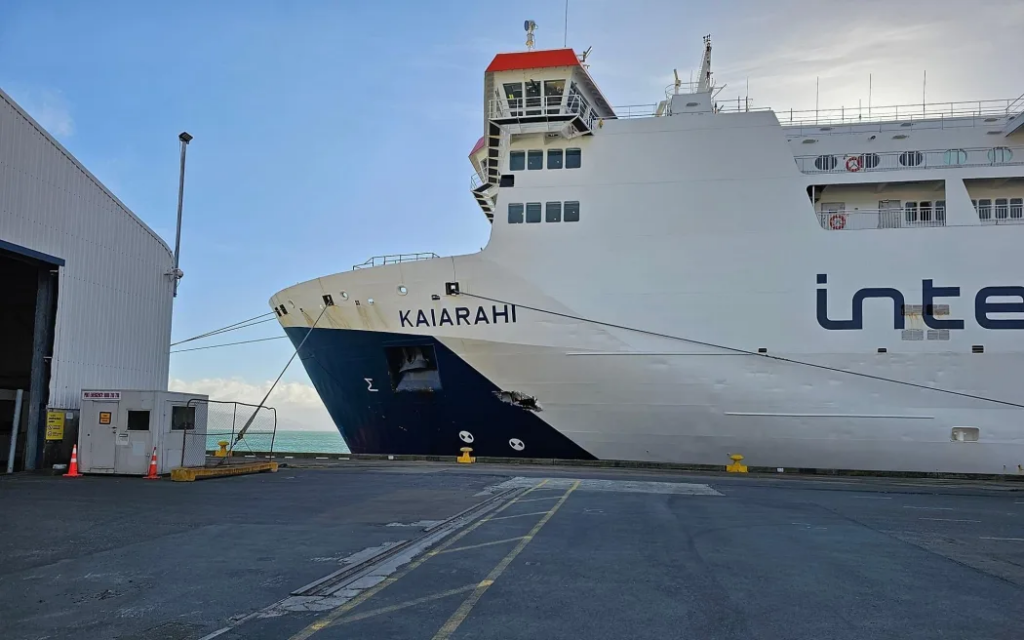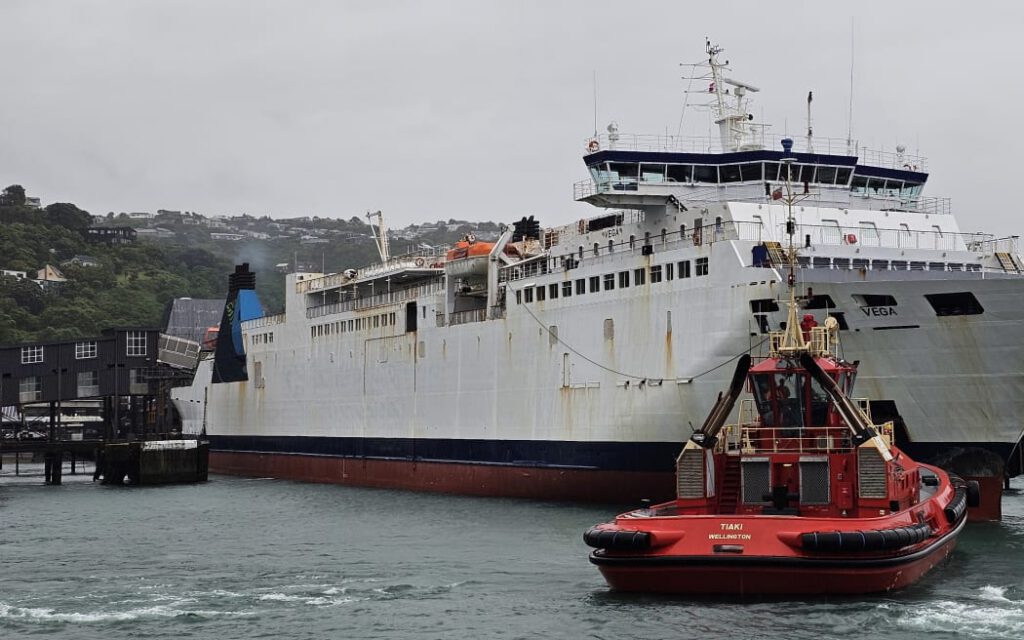
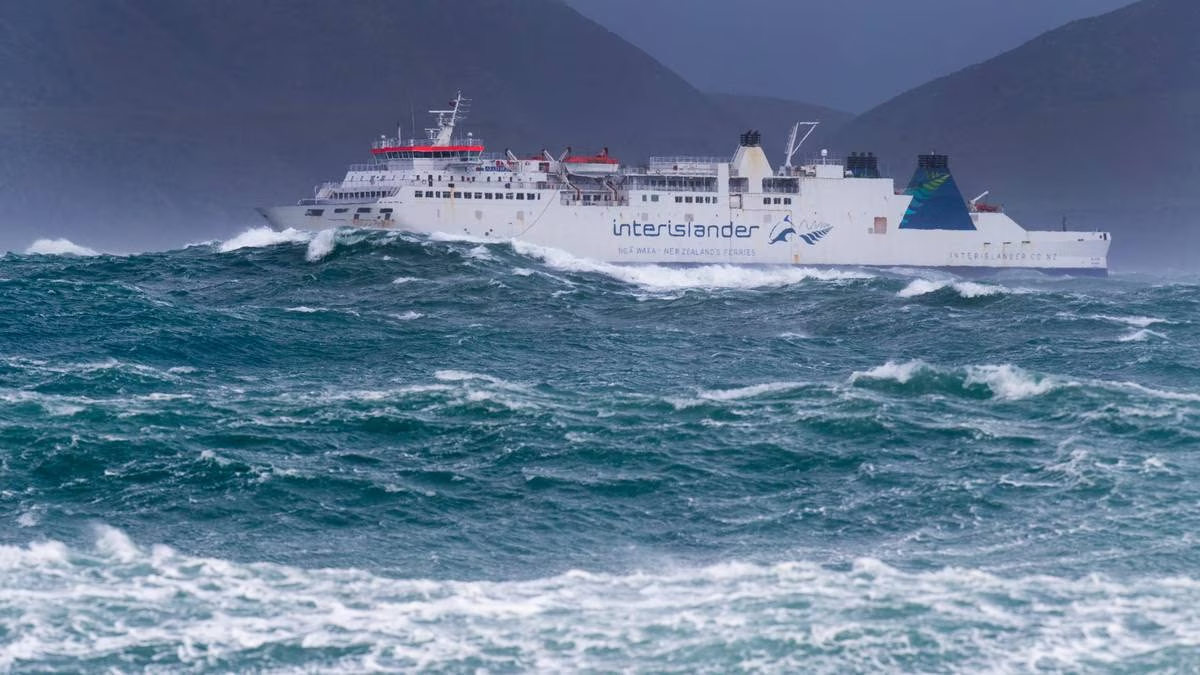
Confusion around the future of KiwiRail’s Cook Strait ferries has left New Zealand ‘steering blind’ with its main inter island transport link, says the Maritime Union.
The latest development in the ferry saga is a suggestion in ministerial documents that KiwiRail might exit the Cook Strait ferries altogether if it is commercially unviable without subsidy.
Briefing documents from the Ministerial Advisory Group and Ministry of Transport have been released to the media under the Official Information Act.
Maritime Union of New Zealand National Secretary Craig Harrison says this scenario is deeply concerning and shows the Government has dropped the ball on transport.
Mr Harrison says he is surprised no one in the Government could foresee the consequences of cancelling iRex project funding last year.
“Within a few months we have gone from looking forward to modern ferries and fit for purpose terminals that would support our economy and producers for decades, to the future of interisland transport and everyone who relies on it being in free fall.”
He says while Strait Shipping currently offer ferry services that complement KiwiRail ferries, the scenario of putting the entire connection in the hands of a single overseas-owned monopoly would be a grave error, and would probably not be viable.
“The idea there is some magic market solution is not credible, because any operator will still have to source and pay for suitable vessels.”
He says the primary focus of interisland ferries should be their importance in the supply chain and the national economy, which included rail capability.
“The Cook Strait is part of the ‘blue highway’ – an extension of our national road and rail links.”
Mr Harrison says the current ferries are nearing end of life and are experiencing ongoing maintenance issues, with potentially catastrophic outcomes.
Interisland ferry Kaitaki lost power on its approach into Wellington Harbour on 28 January 2023, and was left drifting towards the coast in heavy weather with more than 800 passengers and 80 crew on-board. It issued a mayday before managing to restart engines and returning to port.
KiwiRail is now facing a health and safety charge relating to this incident brought by regulator Maritime New Zealand.
“Continuing to lease second hand vessels would still be costly, and mean there will still be ageing ferries on Cook Strait, increasing the risk of mechanical failure, delays, maintenance costs, and safety risks.”
Mr Harrison says the costs of cancelling the project at Korean shipbuilders Hyundai has not yet been confirmed but could run into hundreds of millions of dollars.
A suggestion by KiwiRail that the ferries be built, then on sold in order to try and recoup some of the cost of the cancelled project, was quashed by the Minister of Finance.
However, it has been reported the new Ministerial Advisory Group on the ferries has suggested this could be a potential option to avoid a massive financial loss.
Mr Harrison says further drawbacks include the failure to move to new low-emission technology and the implications for our climate change response.
Globally-recognised Climate Bonds Initiative certification issued to KiwiRail for a $350 million green loan has been revoked due to the cancellation of the ferry purchase.
The Maritime Union view is the Government should review the entire decision to cancel the new ferries and new terminals, says Mr Harrison.
“There is an opportunity to revisit the project, seek cost savings if required, then get on with the only responsible course of action which is a fit for purpose Cook Strait ferry link with modern vessels and terminals.”
He says it is now clear that planned tax cuts are not feasible as essential infrastructure investment has to take priority.