The Maritime Union has hit back at “socially irresponsible” Fonterra pulling out of regional ports and says the dairy giant’s profits are being subsidized by the taxpayer.
Maritime Union of New Zealand General Secretary Trevor Hanson says Fonterra has come out with “weak excuses” for its decision to pull out of some regional ports in favour of transporting products by long distance rail.
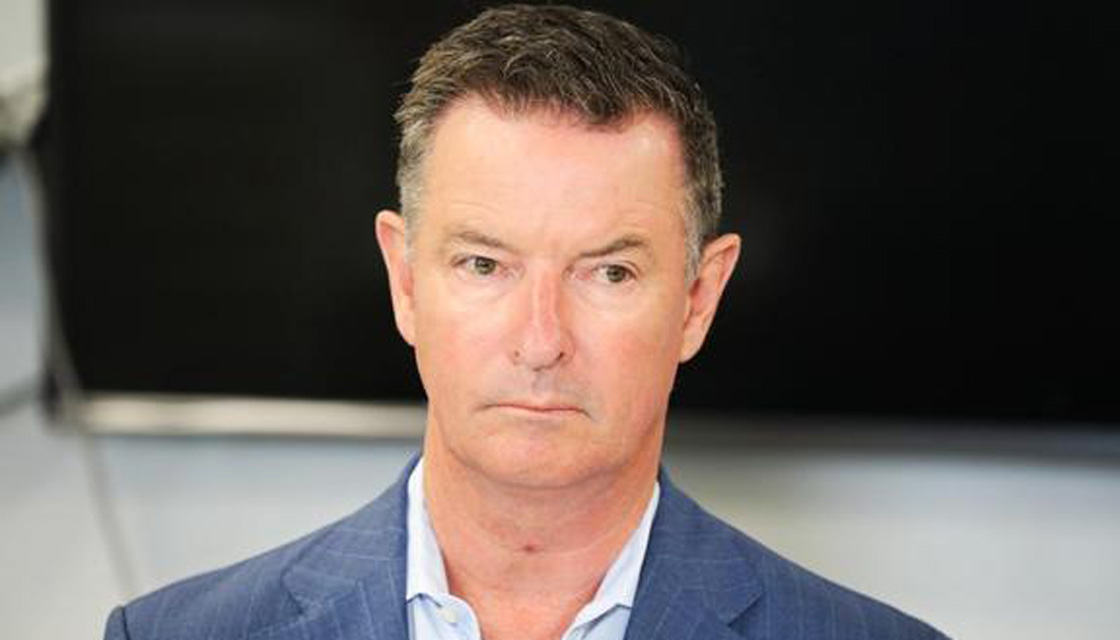
Mr Hanson says the future of the New Zealand transport industry seems to be in the hands of one man, Fonterra General Manager of Supply Chain Strategy Nigel Jones.
“Fonterra holds the fate of whole regional economies in their hands because of their size and influence, but seem to have no accountability to anyone but themselves.”
He says recent comments by Mr Jones to rural sector media confirmed Fonterra had no interest in working for a stable and secure regional economy.
“Mr Jones says his goal is to put more money in farmers pockets. Yet he has admitted the large public investment in rail has been behind the decision to dump ports. There has been no debate as to whether this vision is correct or dangerously wrong. Regional communities have been ignored.”
Mr Hanson says he does not believe the rates being paid by Fonterra to rail their goods are sustainable and are basically being propped up by the public.
He says there is a real danger if the rail plan fails, there would be a huge increase in container trucks on the road and regional ports would have disappeared.
Mr Hanson says the decision by Fonterra affects all the other producers who send goods through regional ports like Timaru and New Plymouth.
He says public investment in rail is a good thing, but only as part of an integrated transport system, and publicly owned rail should not be used to play off regions and transport modes against each other.
“It is common knowledge that ports such as Timaru and New Plymouth had planned and invested heavily in upgrading infrastructure to cater for Fonterra. Now they are left high and dry because of overnight decisions. There has been no consultation, no social responsibility and no recognition from Fonterra about the wider implications of their actions.”
“People in the regions are paying three times to subsidize Fonterra profits – they are paying for their regional ports to invest in infrastructure that is then made worthless, they are paying to upgrade rail infrastructure to carry Fonterra goods, and they are paying with their jobs and livelihoods when Fonterra makes overnight decisions to abandon regional ports.”
Mr Hanson says the “hands off” approach by Government to ports has led to a dysfunctional situation which was harming regional economies.
“We cannot have a company like this able to dictate terms to regional New Zealand and cause havoc in regional economies through arbitrary and irresponsible decisions.”
He says that the profits made by Fonterra and primary industries are not just created on the farm, they are created by an entire production and logistics chain that includes transport workers, ports and shipping.
“The actions of Fonterra have a massive impact on regional economies, and if they continue to make harmful decisions based entirely on their own short term interests, then regulation is the only answer.”