
The Maritime Union of New Zealand says the collapse of free trade in dairy products going into the United States was predictable and inevitable.
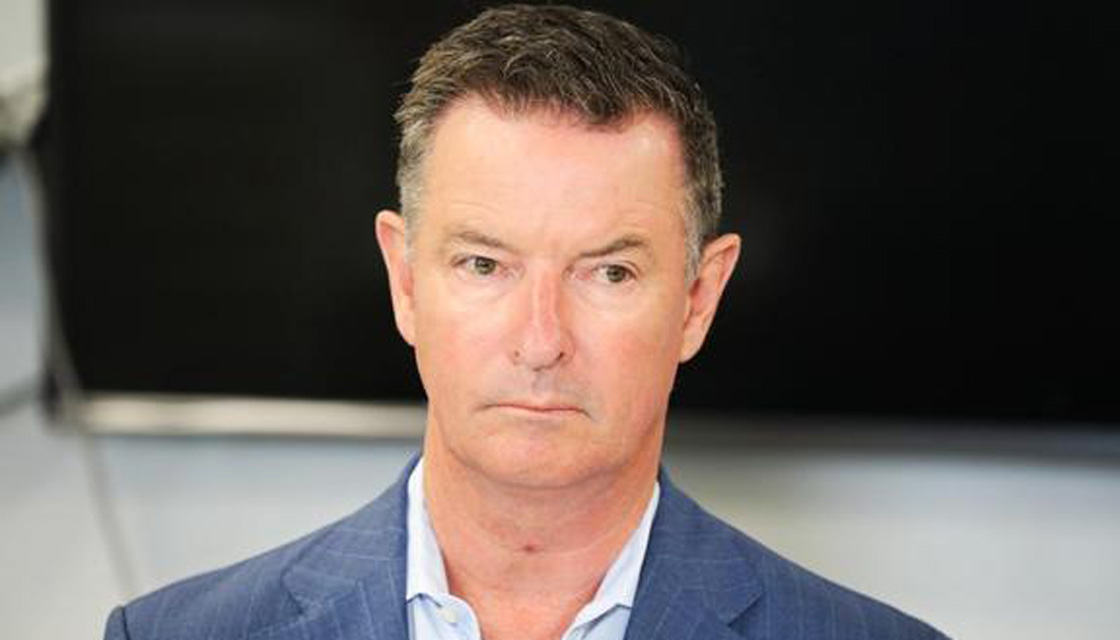
“The idea that the United States will be quaking in their boots by John Key condemning their actions is not very likely.”
Mr Hanson says New Zealand has been taken for a ride with free trade ideology, which led to an unstable international economy and worked for the benefit of large capitalist corporates.
He says that the “wailing and gnashing of teeth” by those who had boosted up free trade was pointless.
“What we need is to realize that the longer we pursue this shimmering mirage of a free trade nirvana, the greater damage will be done to the New Zealand society and economy.”
He says that New Zealand needs to abandon free trade, and work towards a stable economy that ensured assets remained in New Zealand ownership, secure jobs were available in a regulated labour market, and a wide range of industries were nurtured and developed with appropriate policies.
“Free trade does not work for small, exposed economies like New Zealand. It has meant placing all our eggs in a couple of baskets, agriculture and tourism, which are highly vulnerable in an unstable world economy.”
Mr Hanson says that an unregulated global economy based on free trade is unrealistic and was simply a method of extending the power of capitalism over the lives of workers.
“It is much more constructive to have regulated, fair trade, and acknowledge that countries have the right to develop their own industries.”
He says the Maritime Union has been extremely concerned about how free trade could mean employers being allowed to import short-term casual labour across borders to attack wages and conditions.
“The Maritime Union believes this type of situation seen all over the world under free trade is a massive attack on workers of the world, whatever their country.”