The Maritime Union says there is great potential for low emission coastal shipping helping New Zealand to move to a zero carbon future.
The Clydebank Declaration signed by New Zealand and 21 other nations in 2021 promotes the establishment of green (zero emission) shipping corridors between ports, using new propulsion technologies.
Maritime Union of New Zealand National Secretary Craig Harrison says the future of transport will be about resilience.
He says supply chain issues experienced during the COVID pandemic were an example of how global events could quickly throw the economy into chaos.
“The climate crisis is already causing disruption and urgent action is required to reduce emissions in our transport sector and build resilience.”
Mr Harrison says the Maritime Union supports the work of the Government around decarbonizing the transport sector and backing low-emission modes such as coastal shipping.
Minister of Transport Michael Wood this week noted in an interview the importance of the maritime sector and the potential for low emission coastal shipping as part of the decarbonization shift.
While some international routes are being planned, New Zealand green shipping may initially be a domestic initiative.
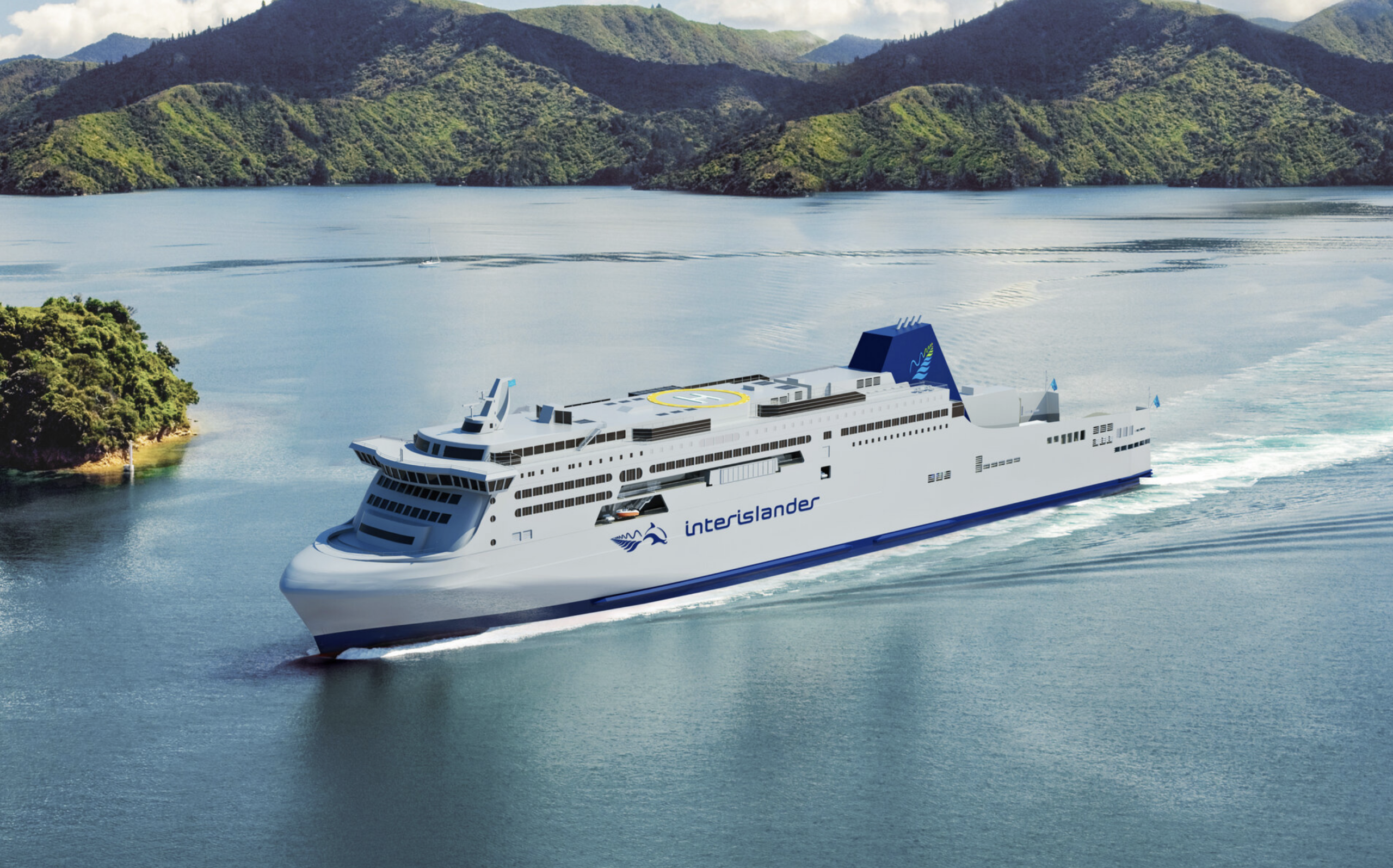
KiwiRail has two new low emission diesel-electric Interislander ferries on order, and MOVE Logistics have plans to introduce a methanol powered RORO vessel onto the New Zealand coast with support from the Government.
New Zealand ports are also moving towards more sustainable practices.
“New Zealand is extremely well placed to take advantage of the coming revolution in low emission shipping,” says Mr Harrison.
He says a green shipping corridor between Australia and New Zealand with locally flagged and crewed ships would be a logical extension to domestic coastal shipping.
Mr Harrison says there has been a massive turnaround in the coastal shipping industry in the last year.
“The Government should be commended for its leadership and practical support around getting coastal shipping back on a growth trajectory.”
He says there is now an urgent need to ramp up training for a new generation of New Zealand seafarers for the future of the maritime industry, which will also include offshore renewable energy projects as well as the transport sector.
Mr Harrison says there is already a strong push around the world by the International Transport Workers Federation (ITF), international State agencies and industry groups towards “just transition”.
“Just transition” is the shift to a decarbonized, green economy accompanied by social goals including retraining for workers, and high pay, high skill jobs.