By Grant Williams
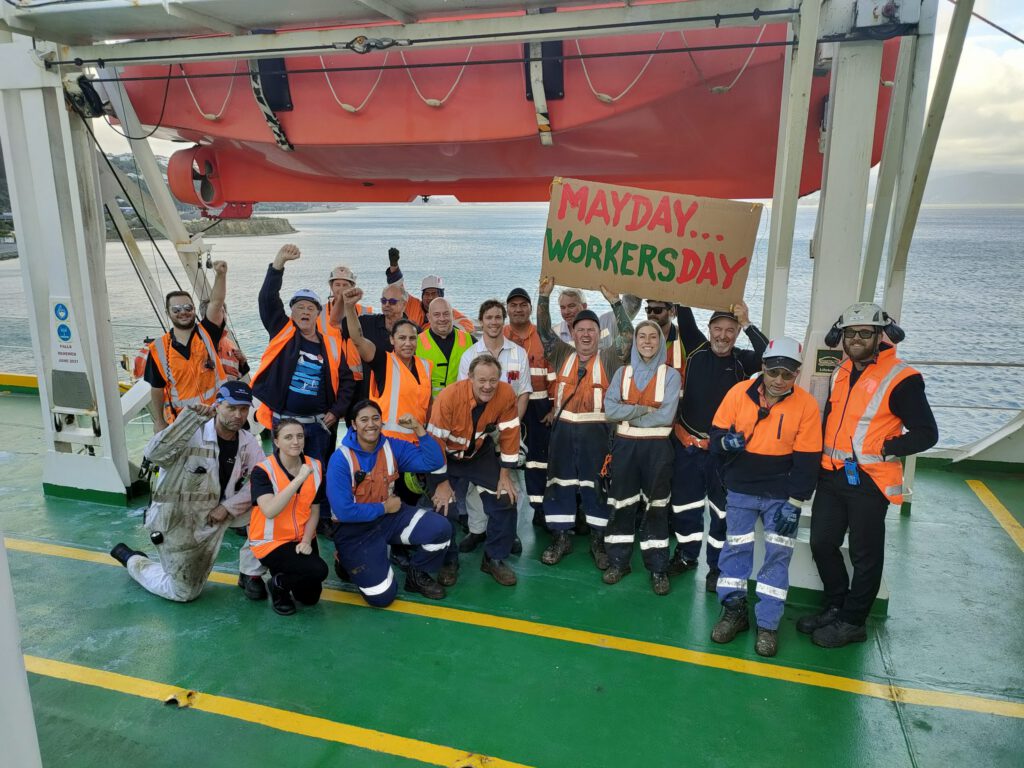
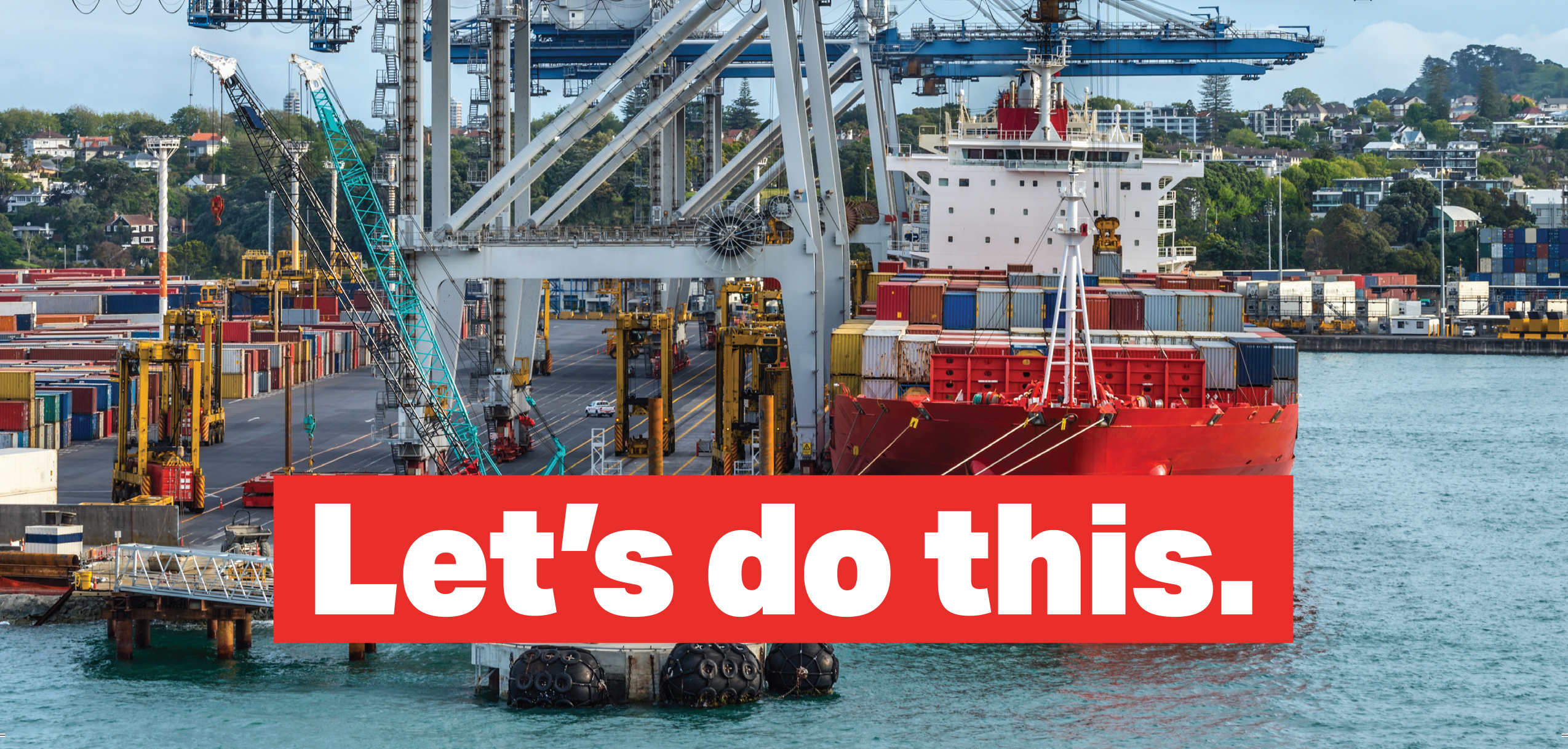
I work at Ports of Auckland. I’m onsite every day as part of the stevedoring team, in the 20 years I’ve been a watersider, I’ve had just about every job there is. Lasher, straddle driver you name it.
Every day we’re working with ships that are flagged under a huge variety of nations, and with crews from the four corners of the world. Sailing is an international trade. Which is why the ports have come under so much scrutiny since Covid-19 reared its head.
From what I see day in day out the response at my port is pretty good. It’s not easy – every part of the job has been taken apart, looked at for how it could carry the virus, and put back together in a way to make it safe.
That’s meant changing shift handover, working in bubbles, health checks prior to each shift, making sure that interaction between our guys who go on ship and the crew are as limited as possible, staying vigilant, and testing.
Whoever it was that claimed we refuse testing needs to understand that our guys worry about taking this home to their families. They’re not going to say no to something that keeps them safe.
No system can be perfectly virus-proof. And we’re dealing with crews from overseas operating under other countries’ laws and Covid precautions. They don’t know what “level 3” is.
But when everything is going to plan, and so far it has, the processes keep us safe. But there’s always the chance something unexpected might happen to put that, and us, at risk.
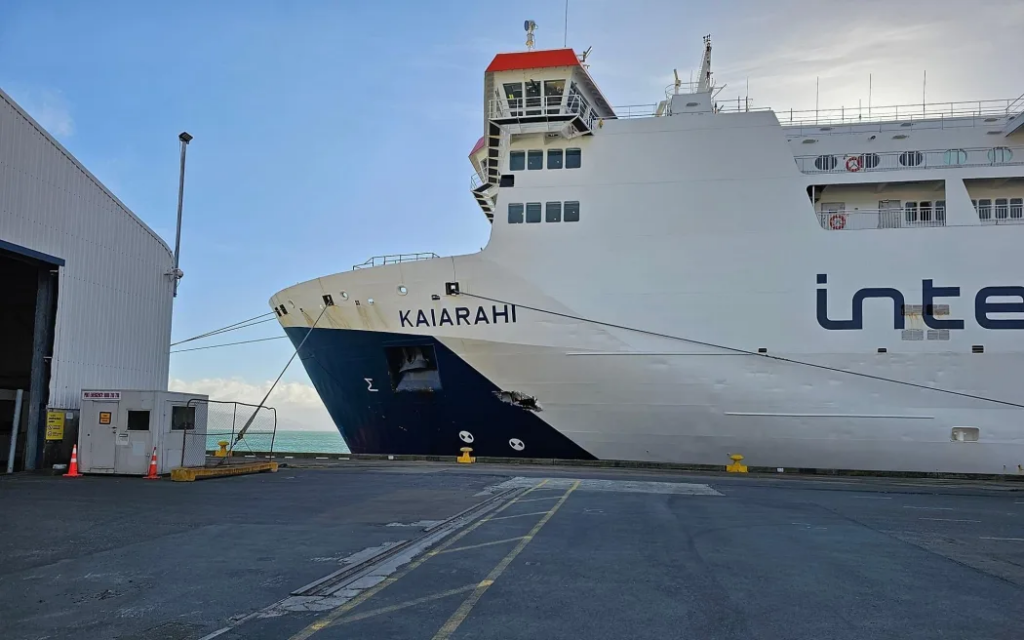
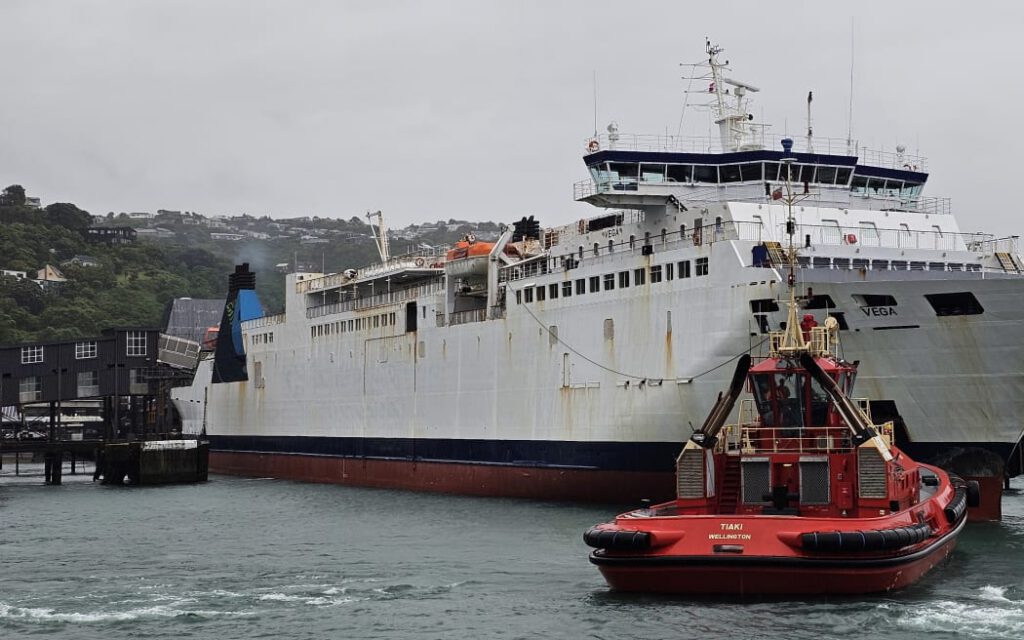
Ports of Auckland is in a good position to manage that risk. It’s a business of 500 people with massive economies of scale and skilled logistics support. However, because we don’t have New Zealand flagged coastal shipping, these overseas ships aren’t just visiting our big ports. They’re also taking our domestic freight between ports ranging from Gisborne to Bluff to Nelson to Napier to Northland.
Every single one of these stops increases our risk and our costs. Our outsourcing of coastal freight to offshore shipping lines means every port has become an international port, a border crossing, a place Covid could get in.
Because of that we need biosecurity and customs at every port and Covid has made this even more important. Our smaller ports do a great job but the cost of making an international ship visit safe is duplicated at every port it enters. So is the risk of something going wrong.
One of the answers to making this safer is pretty simple. So simple we used to do it up until the mid 1990s. Change the law so only New Zealand flagged ships ply our shores. Bring the international cargo in and out of the two big ports in each of the North and South Island, and move it around using our crews on our ships.
It makes a lot of sense to limit our shipping borders to these big ports where we can focus our resources for border control, and have New Zealand ships take cargo to and from those hubs to our regional ports.
Ships crewed by people operating under New Zealand law and employment agreements, who know what Level 3 means, who use the New Zealand tracing app and can be easily reached by our health system, who are part of our team of five million.
But it also makes economic sense. Under Covid-19 the world has suddenly got a lot bigger again as logistics chains have broken down and big multinational suppliers have gone under. We’ve assumed the big international shipping firms will always be willing and able to carry our domestic freight, but they might not be.
Having our own fleet of ships that are capable of trans-Tasman and Pacific runs (and beyond) makes a lot of sense. But with coastal shipping left unprotected we’ve got down to just one ship that can do that. That’s a thin thread to connect to the world.
There are a lot of other reasons to get behind moving coastal shipping back into New Zealand’s control. It’ll lead to lower greenhouse gas emissions, ease congestion on our roads, create jobs, give us greater economic security, and bring us into line with most of the countries we like to compare ourselves with.
The benefits of domestic coastal shipping have always been there waiting for us to take advantage of. Covid has brought them into focus in a way that means we might actually grasp this chance to do it. As someone who’s worked on our shores for a long time, I hope we do.
Grant Williams is the Stevedore and National Runanga Representative at the Maritime Union of New Zealand.