The Maritime Union says Ports of Auckland needs to cut its losses and put its automation project on hold to alleviate pressure on New Zealand businesses.
And if management won’t, then the Auckland Council need to intervene before any more damage is done to the New Zealand economy.
Maritime Union of New Zealand National Secretary Craig Harrison says with most businesses facing stress through the lockdown, the actions of the Port Company could well be the tipping point leading to business failure and job losses.
Mr Harrison says repeated delays and problems with automation had combined with mismanagement of labour supply to create a bottleneck in the New Zealand economy.
He says it’s time the Port Management were completely honest with the Auckland ratepayers and the New Zealand public, as each month another excuse is rolled out.
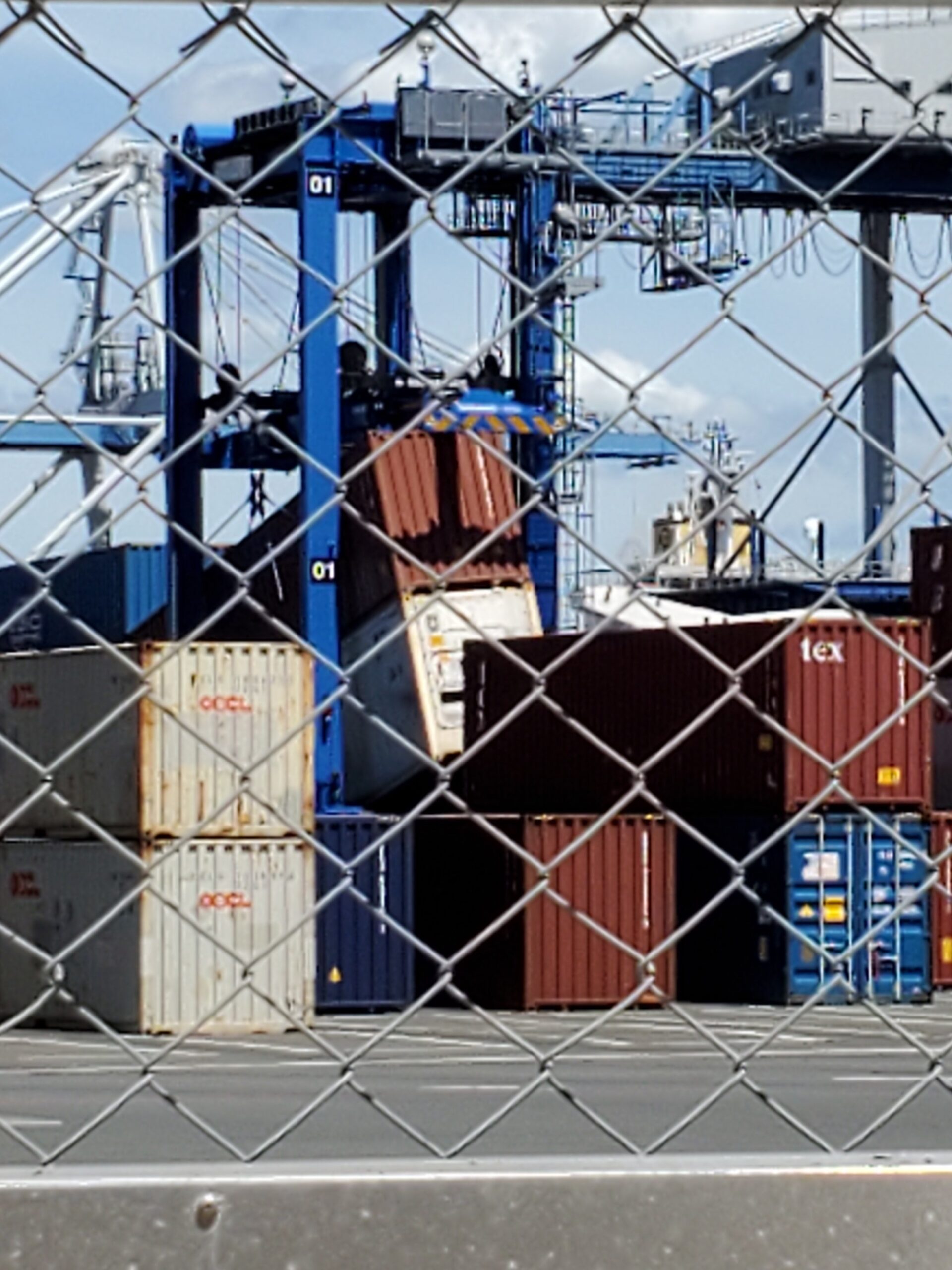
A photo taken on 13 February 2021 shows an example of how basic tasks are being bungled by automated straddles in the port.

Mr Harrison says the incident occurred when a 40ft ‘reefer’ (refrigerated) container was stacked on top of a 20ft container by an automated straddle.
“The 40ft container was balanced on top of the 20ft container because the weight of the reefer motor on the bigger container balanced it. But once the automated straddle returned with another 40ft container and stacked it three high and unlocked off it, then the stack became unbalanced.”
“As can be seen in the photograph, the container stack has tipped over and jammed underneath the spreader on the straddle carrier.”
Mr Harrison says there must be a fundamental fault in the yard stacking programme that allows an automated system to stack 40ft containers on 20ft containers, and this type of incident should not be happening this far into the roll out of automated straddles.
He says the proposed investigation by Auckland Council into what had gone wrong with the project was necessary but would be too late to help those currently having their businesses and lives disrupted, and these people need assurance now that the damage being done will soon end.
The port is running at reduced capacity, he says, and Ports of Auckland management kept shifting the dates when automation would deliver.
“The question is can the automation relieve the congestion that has ships waiting at anchor and shipping companies charging New Zealanders for the privilege, and will hiring more workers solve the problem?”
Mr Harrison says the first question can be answered by understanding what the current container move rates are between the two operations. These figures will be known by the Ports of Auckland and should be made public, he says.
“The industry standards look for crane rates of around 30–33 moves per hour (containers moving from the ship to wharf). If the current crane rates are around 24–25 per hour this means vessels being at the wharf longer.”
“If the crane rates are below the 20 per hour mark this not only means the ships are in the port for longer, but also require more staff hours. Put simply, what is the difference between moving 2000 containers at a rate of 30–33 per hour or at 18–19 per hour?”
Mr Harrison says the current operation has part of the Ports of Auckland operating with automated straddle carriers, and the other part using manual (human operated) straddle carriers.
He says the importing of overseas workers is a massive cost and risk, when port management were inexplicably refusing to employ skilled local workers who would quickly be able to operate machinery with some basic extra training.
POAL had members of their current workforce who could be trained and redeployed, he says.
Mr Harrison says port management had gambled on an over ambitious automation plan and had been too eager to replace workers with robots.
“POAL has not given any assurance to New Zealanders the situation won’t get worse. The Ports still have to convert two thirds of the remaining terminal to automation. The civil works alone heading into winter will take months and once they approach the tipping point there is no turning back from automation.”
The high risk approach had failed, but it appeared POAL management were immune to any consequences.
Mr Harrison says if port management can’t give New Zealanders a date when this will be fixed and an assurance they can deliver move rates of 30 containers per hour then there is a real risk of what we are see now will become the norm.
It was reported last week that Maersk, the world’s biggest container shipping line, has dropped 50 per cent of its normal ship calls to the Ports of Auckland and says it expects New Zealand’s congestion problems will continue until June.
Mr Harrison says this will further impact on the financial return to Auckland ratepayers as the container volumes move elsewhere.