The Maritime Union says New Zealand’s energy security is under threat as New Zealand flagged coastal tankers face an uncertain future.
Maritime Union of New Zealand National Secretary Craig Harrison says the proposed closure of the Marsden Point oil refinery leaves big questions as to how fuel will be delivered in future to New Zealand ports.
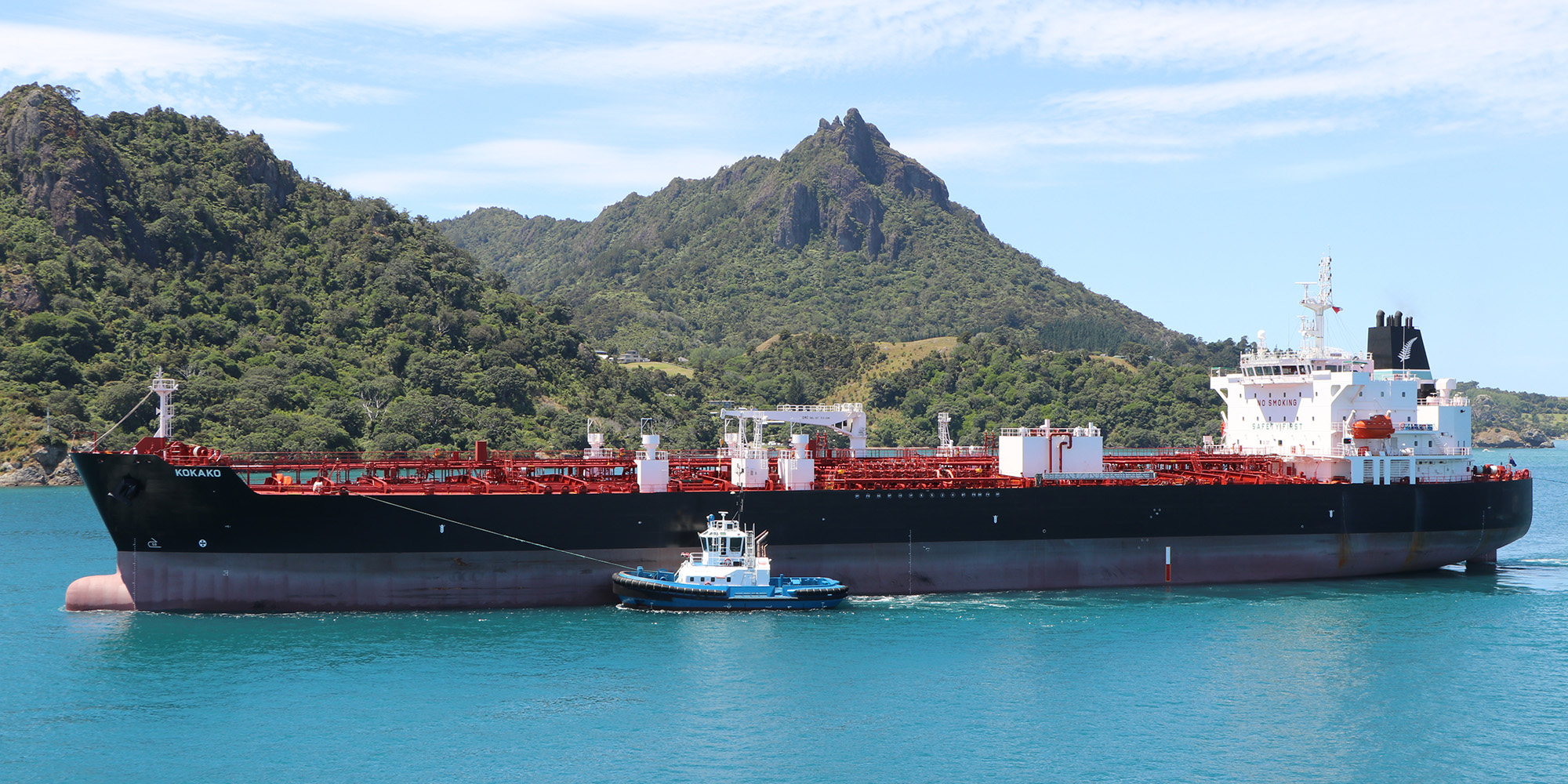
Two New Zealand flagged and New Zealand crewed coastal tankers currently operate on the New Zealand coast, the MT Kokako and the MT Matuku.
The vessels are managed by New Zealand operator Silver Fern Shipping Limited and owned by international operator ASP Ship Management Group, which charters them to Coastal Oil Logistics Limited (COLL).
COLL transports petroleum products from Marsden Point to New Zealand ports on behalf of its shareholders BP, Mobil and Z.
Mr Harrison says the Marsden Point situation would have a “cascading effect” and some consequences had not been considered.
He says that if New Zealand coastal tankers are removed from the picture, it will be a blow to national supply chain security.
“Global shipping and logistics are already in turmoil, with major problems due to shipping shortages and port congestion.”
“If fuel deliveries were to come in on overseas ships direct to New Zealand ports, this leaves New Zealand wide open to the same type of disruption that has affected shipping and ports globally in the last year, but for essential fuel supplies”.
Mr Harrison says New Zealand coastal tankers were able to offer a backup during disasters such as earthquakes or flooding that disrupt land based fuel movements, providing a level of redundancy in the supply chain.
He says the fuel pipeline rupture between Marsden Point and Auckland in 2017 was a real life example where coastal tankers provided a backup.
“The same would not happen if we are dependent on overseas tankers who were locked into schedules and had no other commitment to New Zealand.”
Mr Harrison says it is essential that a maritime nation like New Zealand has the ability and resilience to service its own ports with its own shipping, and coastal fuel tankers were a major part of the mix.
He says the Maritime Union is asking the Government to do a risk analysis of the situation and to back New Zealand shipping.