By Russell Mayn
Secretary, Maritime Union of New Zealand Auckland Branch Local 13
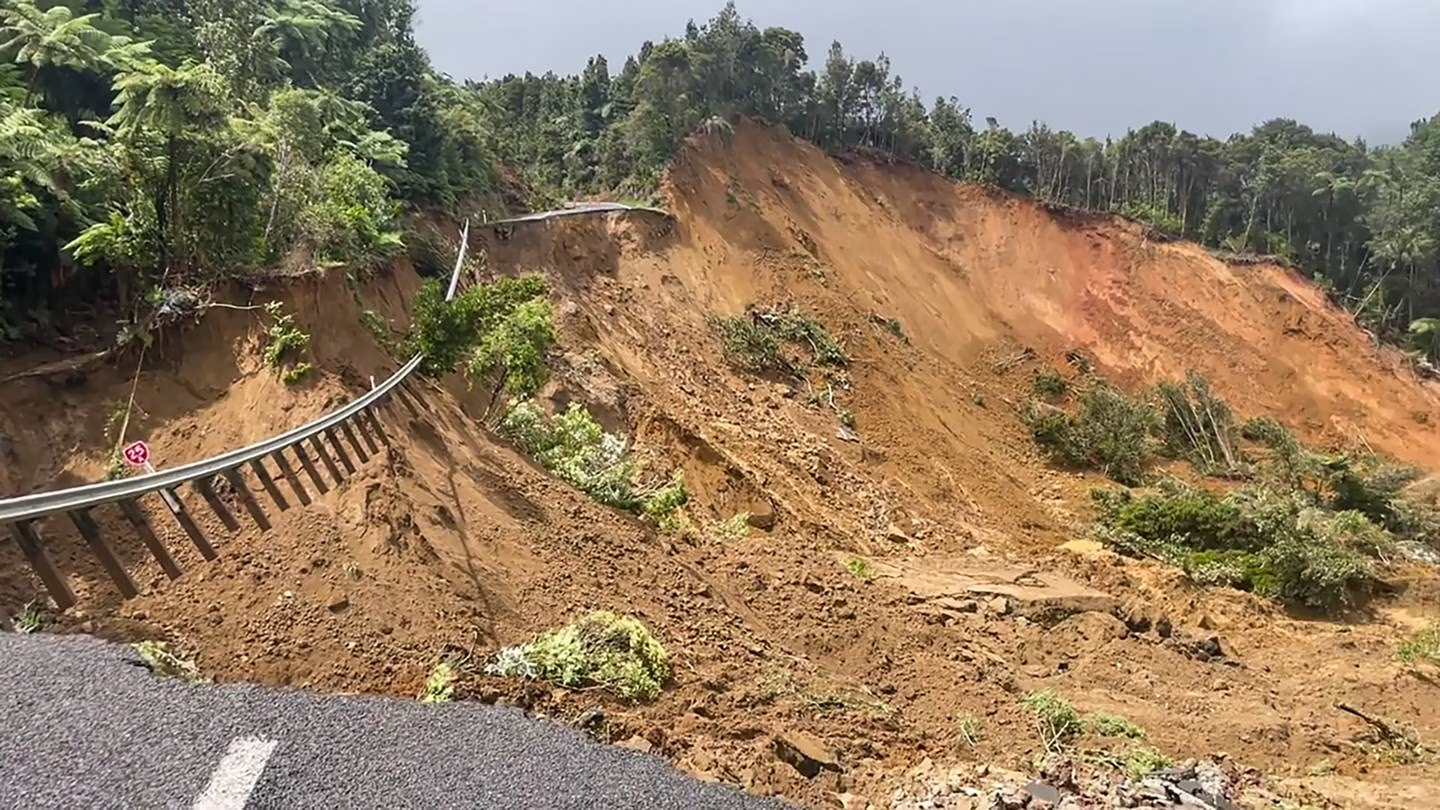
The floods in Auckland and the northern regions have left people shell shocked. Our largest city has been hard hit by the heaviest rainfall on record. As well as the immediate human cost, the ongoing economic effects will be severe.
It is now apparent that things aren’t going back to normal, ever. Following on from the pandemic, we now are finding out what climate change means in real terms.
We need to start planning for what things are going to be like, not what we hope they would be. Our supply chains and transport sector are central to our response.
So what can be done?
Our transport industry needs to get onto a new trajectory immediately. We need resilient supply chains that can withstand severe disruption.
There has been a push to shut down or phase out the Ports of Auckland. We now need to reflect on the advantages of having a local logistics hub that can function even in extreme weather events.
If Auckland was dependent on Marsden Point as its key gateway port, what happens when connections are severed by flooding?
The Mayor has pushed for car imports to be removed from the Auckland waterfront almost immediately.
We now see many main roads throughout the region damaged or impassable. Bypass routes are not suitable for heavy traffic.
Marsden doesn’t even have a rail link yet, and even if it did, we see from the recent washout and derailment at Te Puke that rail is vulnerable too.
We can’t afford to have supplies in and out of our biggest city dependent on remote hubs that may suddenly become inaccessible.
The Ports of Auckland needs to remain as a working port to build our resilience.
Going back, the Port of Lyttelton played a key role in the aftermath of the Christchurch Earthquake and the reconstruction process. It was accessible when land based links were out of action.
The “blue highway” of domestic shipping links means that even in times of disaster our population centres and important regions can be serviced.
There needs to be redundancy built into our supply chains. We have to spread the freight task over different modes and give priority to low emission, resilient transport such as coastal shipping.
It also requires a national ports strategy which recognizes ports as essential infrastructure, as opposed to cash cows for local authorities. Ports need to be working together as opposed to pursuing parochial interests.The concern of the Maritime Union is there have been decades of national paralysis when it comes to dealing with these issues. It was left to the market to decide, or rather a few vested interests. The result is not good. We are now running to catch up.
There is progress in some areas, such as coastal shipping, which has gone through a recent resurgence due to supportive Government policy settings.
But in other areas, we are still locked into an outmoded mindset in a rapidly changing world.
For example, how were overseas oil corporates allowed to shut down Marsden Point refinery, leaving us less prepared and less resilient in a volatile global situation?
After the pandemic, the soundbite from the transport industry was that “just in time” had become “just in case.”
We are in danger of sliding back into complacency.
It was only a matter of time before a weather event like this occurred. There will be more.
The fantasy of the global free market is dead and buried. Deregulated capitalism is driving us towards social and environmental collapse, yet is not delivering for working people whose essential work keeps the system functioning.
New Zealand needs to urgently focus on getting the basics right. Our infrastructure needs to be prepared for ongoing crises.
Late last year, the Government announced an inquiry into New Zealand’s economic resilience to supply chain disruptions. This will need to keep up with disruptions that are now happening in real time.
There needs to be a fast shift to low emission transport modes. Climate change, pandemics and war are going to be ongoing features of the world in the future, not one off exceptions.
We will need resilient local freight hubs as part of this new situation. Ports of Auckland needs to stay.
This article was first published in the New Zealand Herald on 3 February 2023