The Maritime Union says Fonterra’s decision to stop shipping containerized exports through Port Taranaki and Port Timaru was an example of how entire regional economies within New Zealand were being disrupted.
The recent announcement by Fonterra means the loss of 25,000 boxes of cargo to Port Taranaki in New Plymouth, and the loss of 24,000 boxes to Port Timaru annually.
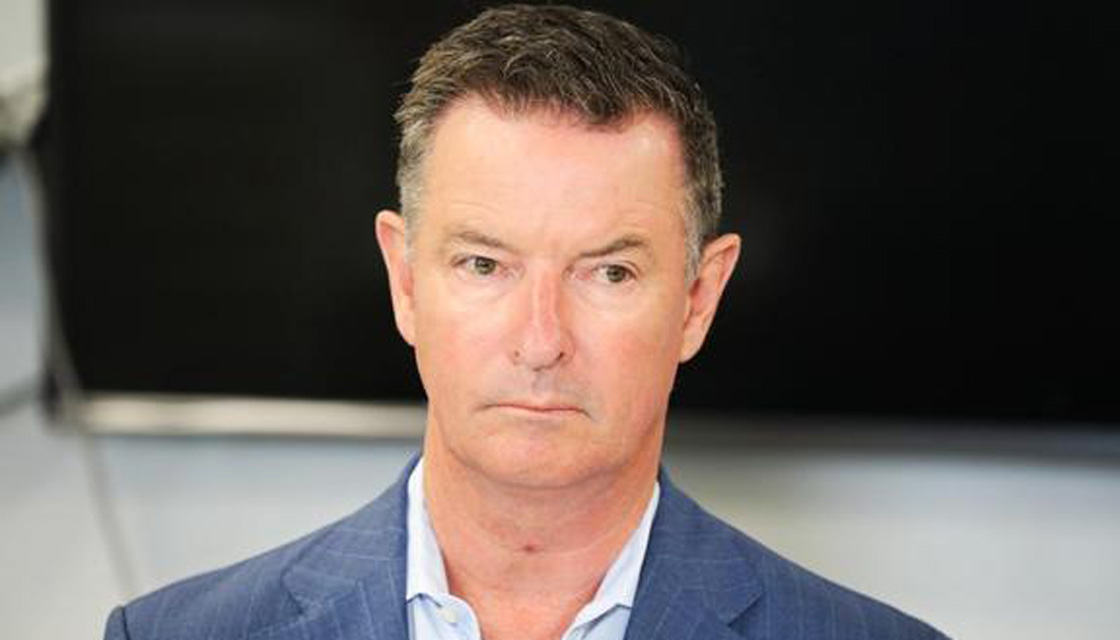
Maritime Union General Secretary Trevor Hanson says the “overnight decisions” by Fonterra and major shipping companies are harming regional communities and regional ports through a process of “destructive competition” where ports experienced major and unpredictable changes in shipments.
“We have a situation where a major producer Fonterra and global shipping lines are working together for their own interests, but their decisions are wreaking havoc on ports and port communities which are subsidizing the profits of these conglomerates.”
Mr Hanson says the losers in the game are New Zealand ports, which were driven by short-sighted parochial competition and were played off against one another.
“It is a crazy situation. There needs to be oversight and regulation so we have a planned port industry that has stability rather than the massive waste of resources that goes into duplicating infrastructure and machinery for the sake of destructive competition, and the instability that it creates for skilled employment in New Zealand ports.”
He says the Union is arguing for a “KiwiPort” concept, where ports were integrated and nationally co-ordinated with a level of public ownership.
“Ports are New Zealand’s trading connection with the world, and as essential national infrastructure they are far too important to be left open to the short-term manipulations of private corporations.”
Mr Hanson says the big catch cry in the industry for the last 15 years is that smaller regional ports will work with major hub ports to gain efficiencies.
“The recent announcement is a complete change of direction.”
He says Port Taranaki and the Port of Timaru are close to production areas, whereas goods would now be sent hundreds of kilometres away by rail.
“The cost to the Port Taranaki is horrendous. This port when it was advised of the introduction of “4100 type” container ships to New Zealand went ahead and expended $20 million to deepen the port in order to accommodate these vessels.”
Mr Hanson says since port reform in the late 1980s, successive Governments have had a “hands off” approach to ports which has led to an unstable industry.
“There are heavy repercussions for the regions of New Zealand. Ports are surrounded by infrastructure that require the services of ports, ports have invested heavily in plant and port modifications to service container exports from their region, and business decisions in the regions are made on the basis of both these ports in full operational mode.”
But when companies that had virtual monopolies on shipments made overnight decisions that could “rip the guts” out of ports, it was impossible to run a rational long-term industry.
Mr Hanson says because of the dominant position of a company like Fonterra, it was immune to criticism as it could literally hold ports to ransom.
“What we are seeing is the destructive rationalisation of New Zealand ports regardless of national interest, secure jobs, economic development and stable regional communities, to suit global shipping companies and the short term interests of a dairy conglomerate.”