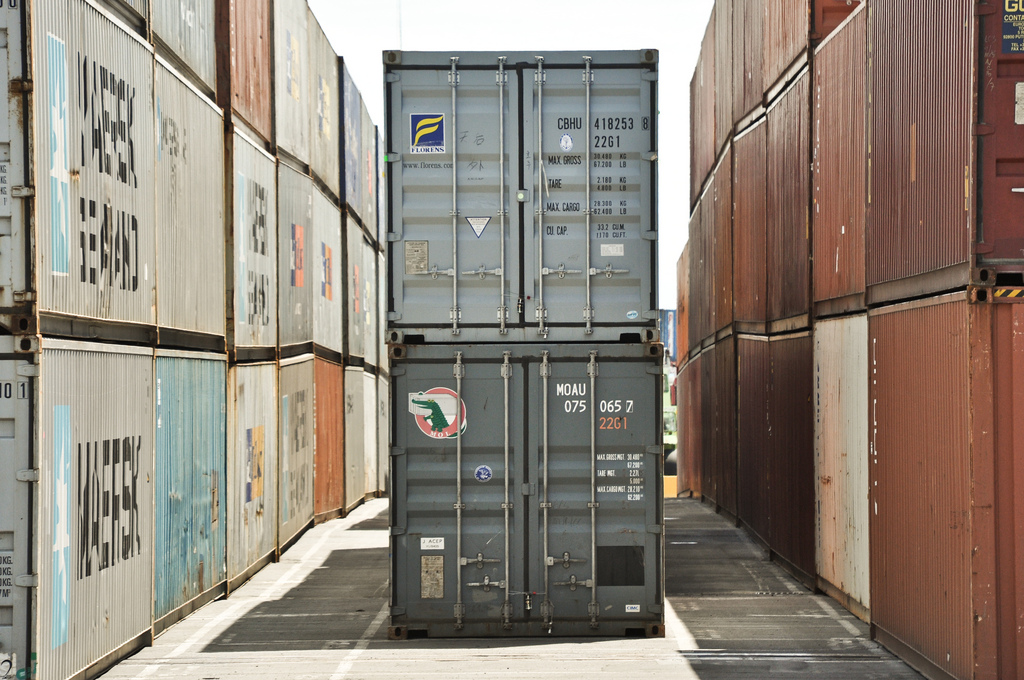
The Maritime Union says an official report that exposed massive safety risks around toxic gases in shipping containers shows workers are being placed in danger every day.
The Wellingtonian newspaper reported today that the Customs Service published the results in the Report on the Outcomes of the Fumigant Risk Study in May 2012, but withheld them from the public.
Samples were taken from more than 500 containers that arrived at Port of Tauranga, and while results could vary with other ports, they were consistent with overseas findings.
Maritime Union of New Zealand National Secretary Joe Fleetwood says his union represents maritime workers on the waterfront and on ships, who dealt directly with containers.
He says the report shows that levels of toxins were present in most containers – and one in five containers were not safe.
“In a large port that could mean thousands of containers.”
It was a concern that cargo manifests might not be accurately indicating hazards, he says.
Mr Fleetwood says the Port of Tauranga promotes itself as being a successful, efficient port, and he wondered what their response was to the report’s findings.
“What measures are Port of Tauranga taking to protect their staff from poisoning? Have they informed their staff of the report?”
He says the Union has been urging the phase out of methyl bromide in particular for a number of years on a precautionary basis.
“In our view and the view of reputable scientists in the toxicology field, there is a real possibility that methyl bromide could be linked to motor neurone disease, and research is ongoing to see if there is a link.”
Mr Fleetwood says a full safety audit for containers was required, and a beefed up health and safety plan going forward needed to be rolled out with the involvement of unions and workers on the ground.
Five gases were found well above safe working levels — formaldehyde, ethylene oxide, methyl bromide, benzene and ethylene dibromide.