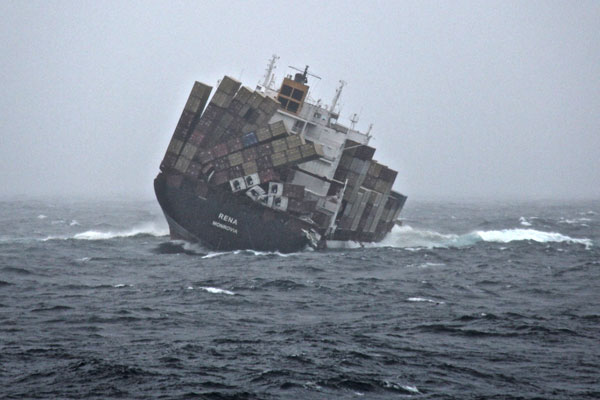
The Maritime Union is concerned that jobs on the Rena clean up project are going to overseas workers while New Zealand seafarers are out of work.
Maritime Union of New Zealand National Secretary Joe Fleetwood says he is concerned that two jobs on the ocean going tug Resolve Commander continue to be worked by overseas crew members while local seafarers who are able to do the work are unemployed.
He says the Union has been told that the Associate Minister of Immigration had approved extensions of expired work visas for Filipino crew members who had already been working for over a year on the vessel.
The Maritime Union had not had any satisfactory answers as to why this was allowed, and will be asking for a meeting with the Minister to discuss the problem.
Mr Fleetwood says it is especially galling that the situation was with the Rena clean up.
“Here we have a flag of convenience, overseas owned and crewed ship that ended up on a reef with great financial and environmental cost. Now the New Zealand taxpayer is footing the bill for the clean up, but skilled and trained New Zealand seafarers are denied work on the project and are not able to contribute to their own country.”
Mr Fleetwood says the Union has no problem with overseas workers being employed on New Zealand terms and conditions but only if all qualified New Zealand workers in the industry already had jobs.
“Otherwise this is just a recipe for attacking wages and conditions, putting New Zealanders out of work, and reducing standards in the industry.”
The Union carried out much work assisting overseas seafarers free of charge and the Union view was the responsibility lay with the employer and the Government, he says.
It appeared that some employers were pushing the boundaries and the Government was apparently happy with New Zealand workers being kept out of work deliberately.
There had been ongoing lack of training opportunities for New Zealanders in the industry and overseas workers were being used to allow some employers to renege on their obligation to employ and train local workers, says Mr Fleetwood.
He says the Union expected substantial jobs growth in the offshore oil and gas industry for seafarers in the future and was raising a flag of warning that those jobs should be going to local workers if available.
“What we don’t want to see is this industry being used as a money machine for global big business while New Zealand workers are denied well paid jobs in their own national industry.”