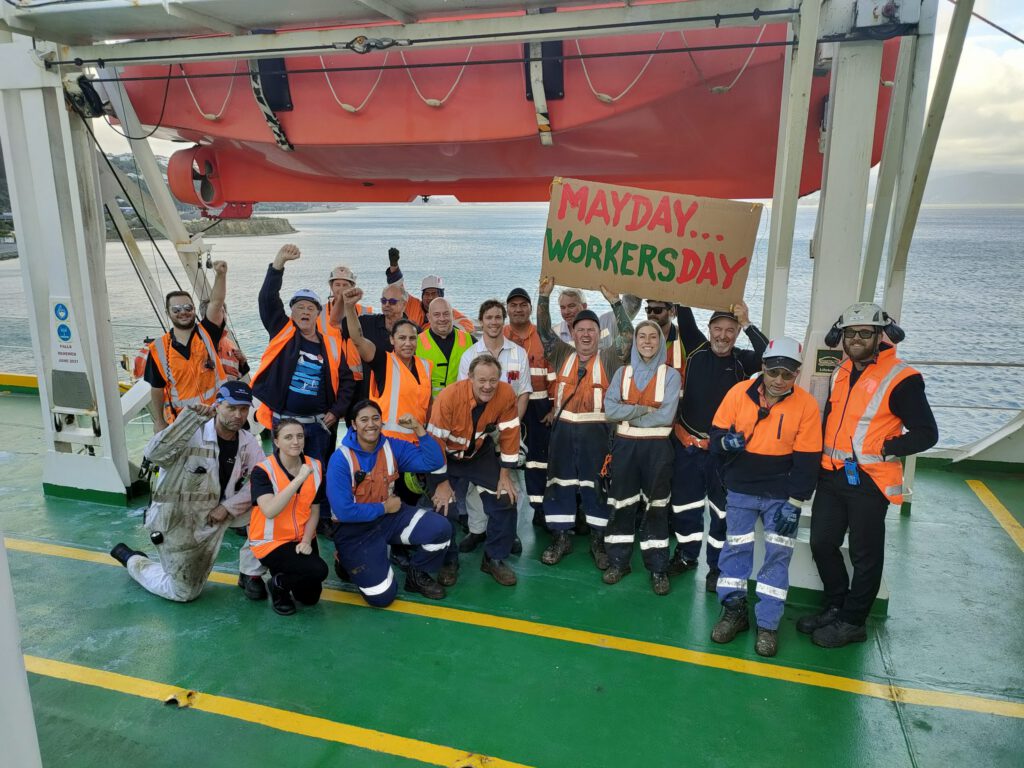
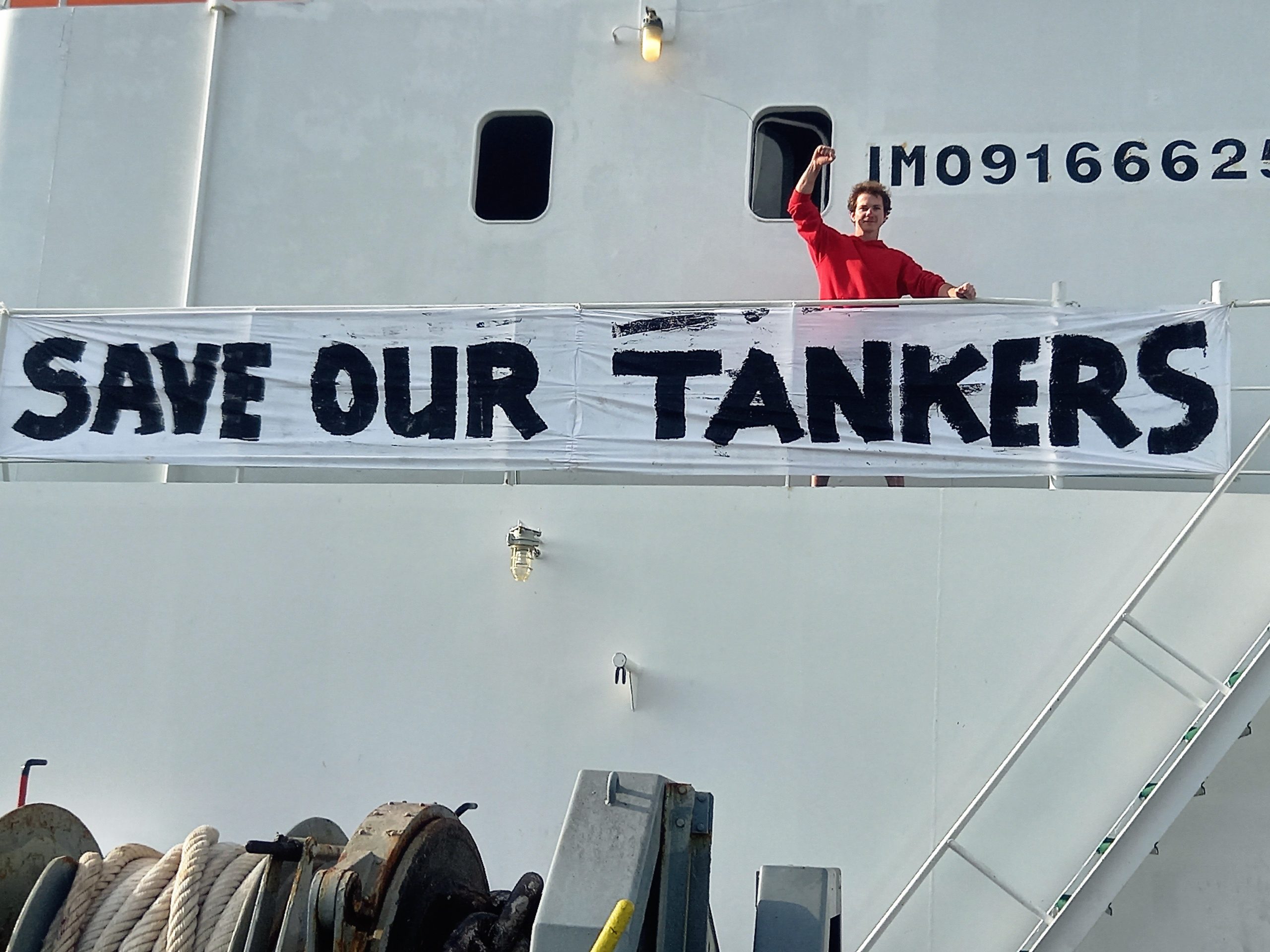
Three unions representing New Zealand shipping crews are mounting a united campaign to protect New Zealand’s fuel security and save New Zealand coastal tankers.
The Maritime Union of New Zealand represents seafarers, the New Zealand Merchant Service Guild represents ship’s masters and officers, and the Aviation and Marine Engineers Association represents ships engineers.
All three unions say the removal of New Zealand coastal tankers from service is an unacceptable risk to New Zealand’s fuel security.
The impending closure of the Marsden Point refinery will have a flow-on effects to fuel distribution in New Zealand.
One of these is petrol companies intend to import refined fuel directly to New Zealand ports using overseas shipping.
For many decades, bulk refined fuel has been distributed throughout New Zealand from Marsden Point through two main methods – a pipeline to Auckland, and by New Zealand coastal tankers to regional ports.
Silver Fern Shipping is the operator of New Zealand’s two coastal tankers MT Kokako and MT Matuku and advised crew in late 2021 it planned to take the vessels out of service around April 2022.
The two vessels are contracted solely to Coastal Oil Logistics Limited (COLL) to deliver fuel from Marsden Point refinery to New Zealand ports. COLL is a joint venture between the major petrol companies.
Following the closure of Marsden Point refinery, petrol companies say they will import refined fuel directly to New Zealand ports from overseas refineries in Asia using overseas shipping.
The campaign for fuel security has identified multiple risks in this course of action.
Maritime Union of New Zealand National Secretary Craig Harrison says by removing New Zealand coastal tankers from service, New Zealand will become completely dependent on overseas shipping for fuel supplies.
He says at a time when international shipping is experiencing major congestion and delayed schedules, exposing New Zealand to greater risks is a bad decision.
Merchant Service Guild National Vice President Iain Macleod says the removal of New Zealand coastal tankers will reduce New Zealand maritime transport capability.
He says coastal tankers employ and train a skilled New Zealand seafaring workforce which is essential for a maritime trading nation such as New Zealand.
Aviation and Marine Engineer’s Association National Industrial Organiser Steve Westoby says New Zealand seafarers including engineers have an exemplary record of safety and reliability over decades of service on New Zealand coastal tankers.
He says New Zealand coastal tankers would be available to assist in any emergencies or disruption to fuel supplies, such as had occurred with the failure of the Marsden Point to Auckland pipeline in 2017.
The three unions say that New Zealand coastal tankers could remain in service by extending their operations to importing refined fuel from overseas.
Mr Harrison says it will be some time before oil-based fuels are phased out and New Zealand needs to maintain fuel security in a volatile global situation.
He says the Government needs to review fuel security measures in this unprecedented change to our fuel networks and ensure New Zealand coastal tankers remain in service.