There are concerns in the maritime sector that petrol supplies could be affected by the same type of shipping disruptions creating chaos in other supply chains.
The Maritime Union of New Zealand represents seafarers, the New Zealand Merchant Service Guild represents ship’s masters and officers, and the Aviation and Marine Engineers Association represents marine engineers.
The three unions say ongoing supply chain congestion is showing no signs of let up in 2022 and many industries are suffering as a result, from the import of building supplies to primary produce exporters.
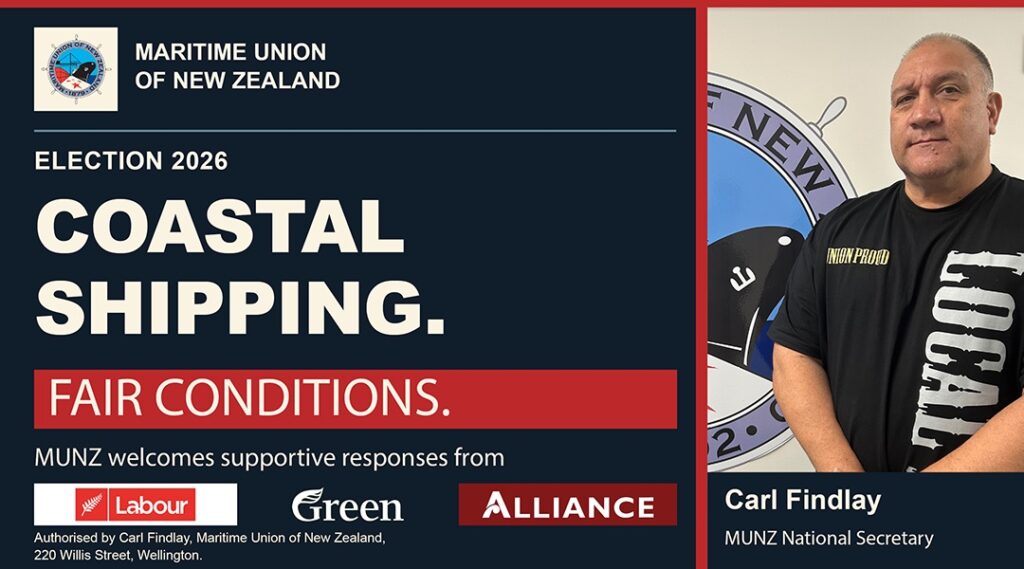
Maritime Union of New Zealand National Secretary Craig Harrison says a reliance on overseas shipping and the running down of New Zealand’s shipping capability had led to a “perfect storm.”
Mr Harrison says it is extremely concerning that New Zealand coastal tankers were now under threat as well, following the decision to close Marsden Point refinery.
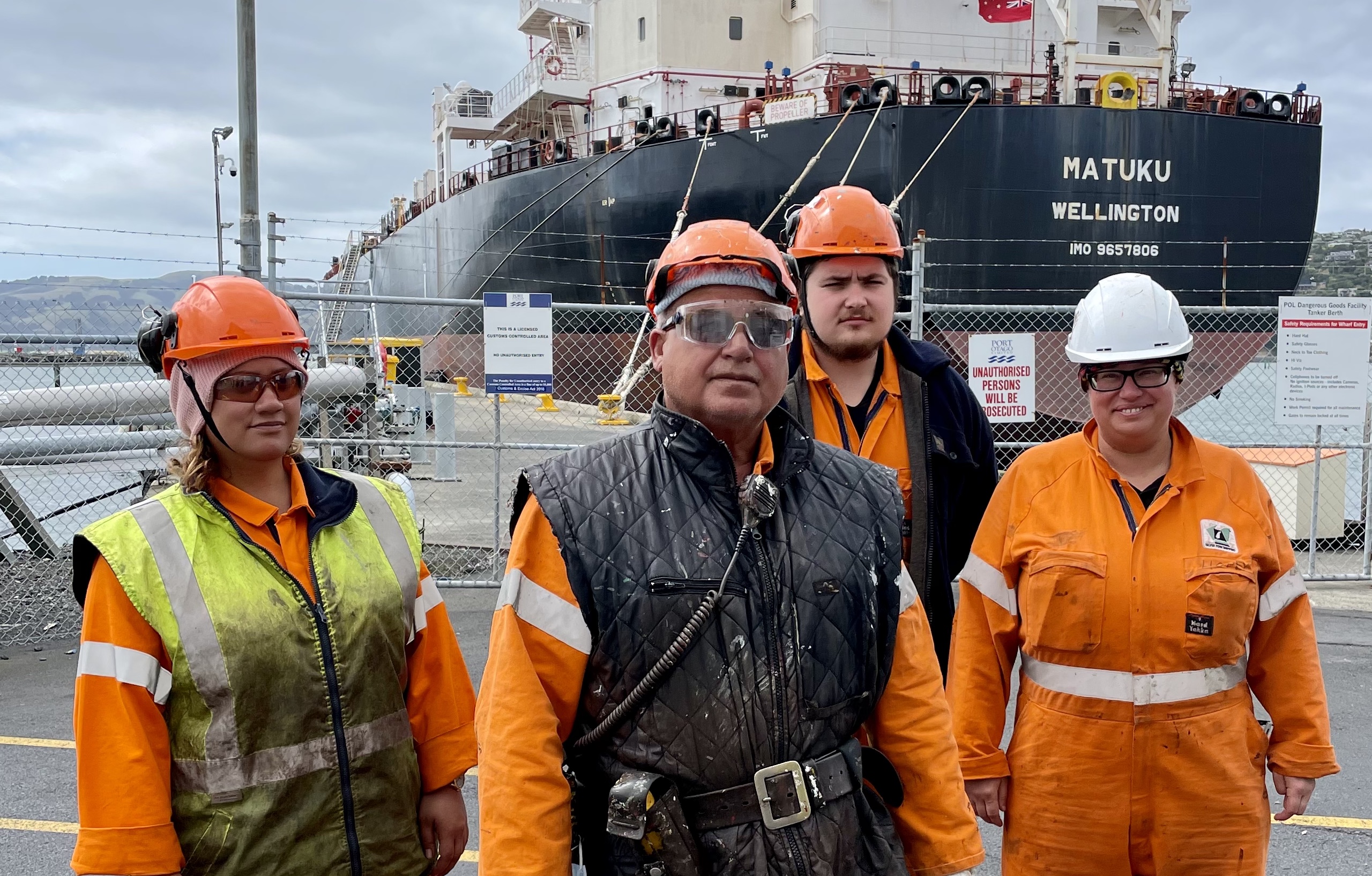
New Zealand tankers currently deliver fuel to New Zealand ports from Marsden Point.
However, the vessels are under immediate threat of being replaced by petrol companies using direct imports from overseas tankers.
The two current New Zealand oil tankers are chartered by Coastal Oil Logistics (COLL), a joint venture between New Zealand’s major petroleum suppliers BP Oil New Zealand Limited, Mobil Oil New Zealand Limited and the Z Energy Group, who are also major shareholders in Refining NZ, who operate Marsden Point.
Mr Harrison says it is bizarre that at a time when international shipping was in chaos, that New Zealand was “sleepwalking” towards a similar situation with fuel imports.
“It is essential the same problems occurring in the container trade are not allowed to replicate with New Zealand fuel supplies.”
He says New Zealand coastal tankers provided a dedicated service and a level of redundancy which could not be guaranteed by overseas shipping, despite what petrol companies said.
There are numerous scenarios where outside situations could result in disruption and delays with overseas shipping, he says.
Mr Harrison says one straightforward solution to shipping congestion would be to rebuild New Zealand domestic shipping capability to ensure regular and reliable services to regional ports, reducing the reliance on overseas shipping.
“This includes keeping New Zealand coastal oil tankers in service to reduce the risk of delays or service failure.”
A new campaign had been set up to raise awareness of the situation including the website fuelsecurity.nz