Three of New Zealand’s maritime unions say fuel companies Z, Mobil and BP have let New Zealand down after off-spec jet fuel threatens to disrupt pre-Christmas flights.
The three unions led the Save Our Tankers campaign earlier this year to keep the now-closed Marsden Point refinery operating, with local deliveries of fuel provided by New Zealand flagged coastal tankers.
Airlines have been advised this week they may be subject to fuel rationing over December after a bad batch of product was imported.
The Maritime Union of New Zealand representing seafarers, the New Zealand Merchant Service Guild representing ship’s masters and officers, and the Aviation and Marine Engineers Association representing marine engineers, today spoke out on the situation.
Maritime Union of New Zealand National Secretary Craig Harrison says the new situation is a result of letting fuel security be determined by the self-interest of overseas corporates.
“The companies, in particular Z Energy, wanted to move to this new system because it was more profitable for them, not because it provided fuel security for New Zealand.”
Mr Harrison says the fuel companies need to front up to the public and explain themselves.
He says it has only taken a few months for the wheels to come off the new import system, at the worst possible time for holiday travel and as New Zealand rebuilds its tourism industry.
Mr Harrison says if New Zealand still had its own refinery and tankers, then it would have the ability to reprocess off spec fuel locally, cushioning the travelling public from supply shocks.
He says New Zealand is currently dependent on new refined fuel supplies arriving from refineries in the Northern Hemisphere.
The New Zealand Merchant Service Guild says the government was misled by forceful assurances from Z Energy and other companies that the new model would safeguard against fuel supply disruptions.
New Zealand Merchant Service Guild Vice President, Captain Iain MacLeod, says unions warned of this exact scenario prior to the Government decision to endorse the new supply model.
Anecdotal evidence from industry sources suggests this is now the fifth occasion substandard fuel has been imported to New Zealand under the new model, says Captain MacLeod.
There was a similar aviation fuel disruption in 2017 when a fuel pipe between Marsden and Auckland was ruptured. New Zealand coastal tankers were able to be part of the response at that time.
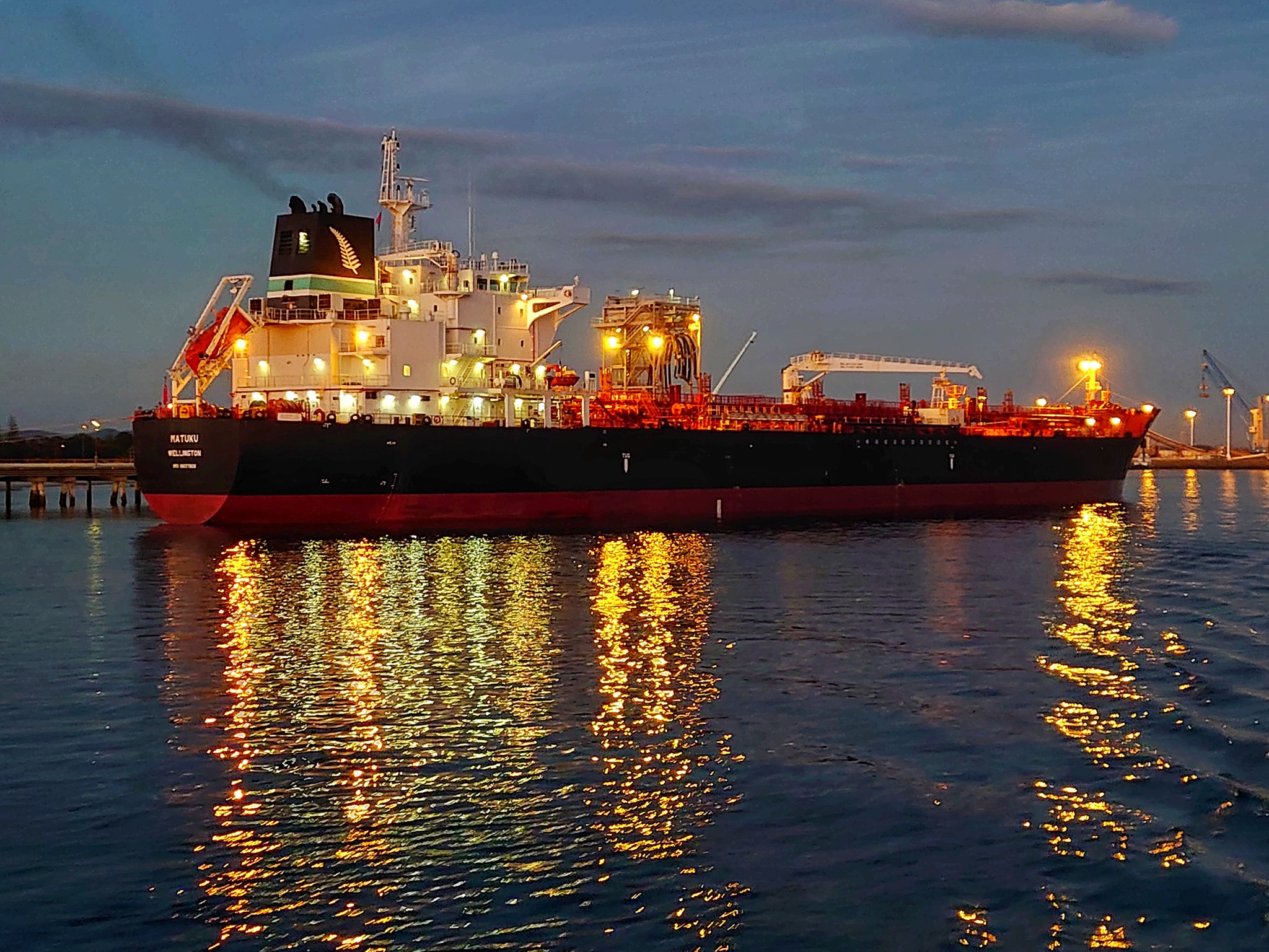
Two New Zealand crewed and flagged coastal tankers were taken out of service earlier in 2022 after oil companies shut down Marsden Point refinery and moved to a direct import model.
Mr Harrison says there was still a need for refining capability in New Zealand and a fleet of New Zealand coastal tankers to provide dedicated local service and redundancy in case of emergency situations.
He says the world is experiencing volatile economic conditions and energy security threats, and New Zealand needs to build more resilience into the system.