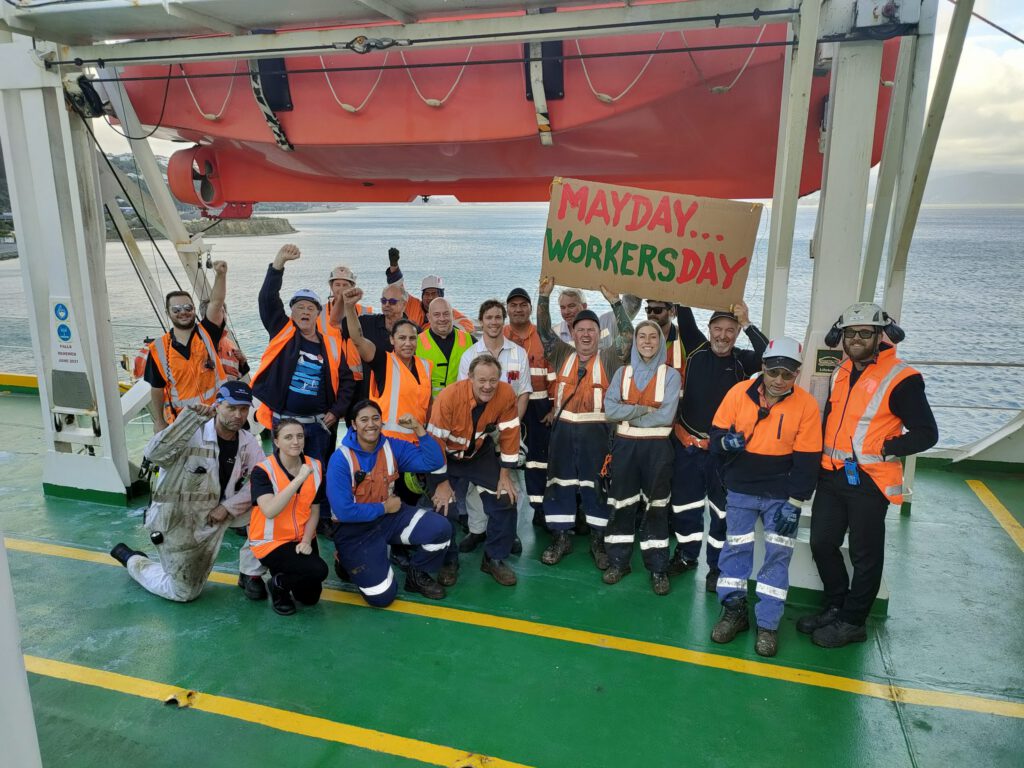
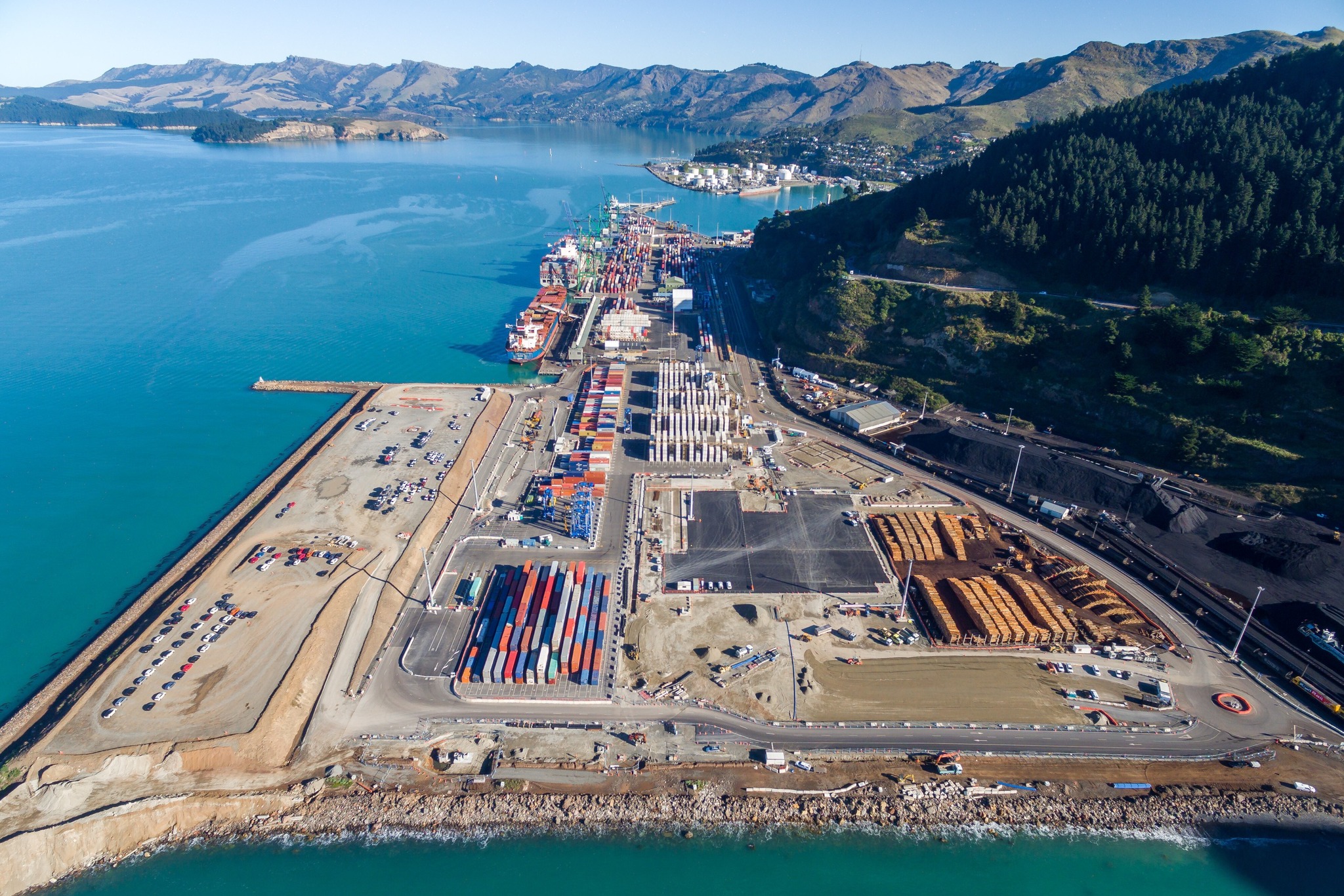
Workers at Ports of Lyttelton have strongly rejected an attack on their work in a privatisation report to the Christchurch City Council.
LPC workers are members of the Maritime Union of New Zealand (MUNZ) and the Rail and Maritime Transport Union (RMTU).
A report on Christchurch City Holdings Limited and its companies compiled by Northington Partners was released this week.
The report states LPC is underperforming – and suggests this is due to a “highly unionised workforce.”
Maritime Union of New Zealand National Secretary Craig Harrison says there are around six hundred port workers in Lyttelton who deliver to the people of Christchurch and Canterbury, the majority being LPC employees.
Despite the report stating productivity issues are ‘outside scope’ and were ‘not analysed’, it offers a view based on ‘initial observations and stakeholder feedback.’
No sources for these observations or feedback are provided.
Mr Harrison says this is unacceptable.
He says a reference to the Port of Tauranga as a preferred employment model shows an absolute lack of understanding of serious problems in the ports industry.
Mr Harrison says the outsourcing employment model at Port of Tauranga has had very poor outcomes for workers.
“One of the worst impacts has been employees of contracting stevedores having unhealthy and dangerous shift patterns, which has disrupted family life, health and safety.”
“The implied support in the report for contracting out labour – obviously to reduce wages and conditions – contradicts the Corporate Social Responsibility model that CCHL organizations must abide by.”
Mr Harrison says these contracting out issues have been widely covered in the media and recognised nationally in 2022 in two ways.
A recent Employment Court decision requires a large private stevedore in Tauranga to change its operations to acknowledge workers ‘availability’ to protect their work/life balance and right to family life.
In addition, the national ports industry has just announced national ports health and safety guidelines which focus on the impact of fatigue due to shift work.
Rail and Maritime Transport Union General Secretary Todd Valster says he is unimpressed with the logic used the report which is clearly a roadmap for privatisation.
“We need to maintain our local assets and defend them against the privatisation agenda.”
Mr Valster says the report makes an error in trying to draw simplistic comparisons between Lyttelton and other ports like Tauranga, when size and many other variables influence outcomes.
“It is dangerous when people without a deep knowledge of the ports industry start setting themselves up as experts in port productivity.”
Mr Valster says the primary outcome for a port must always be whether it is serving its purpose as key infrastructure.
“The benefits LPC provides as a reliable import/export hub for industry are enormous.”