Unions representing New Zealand seafarers say an announcement that two New Zealand flagged oil tankers will be taken out of service is a high risk move that leaves New Zealand vulnerable to supply chain disruption.
The Maritime Union of New Zealand represents seafarers and the Merchant Service Guild represents ships captains and officers.
The two unions are calling for a two year moratorium on the decision by petrol companies, and say the Government needs to step in to keep the tankers on to see if the new fuel supply chain works as has been promised.
Coastal Oil Logistics Limited (COLL) currently transports petroleum products from Marsden Point to New Zealand ports on behalf of its shareholders BP, Mobil and Z.
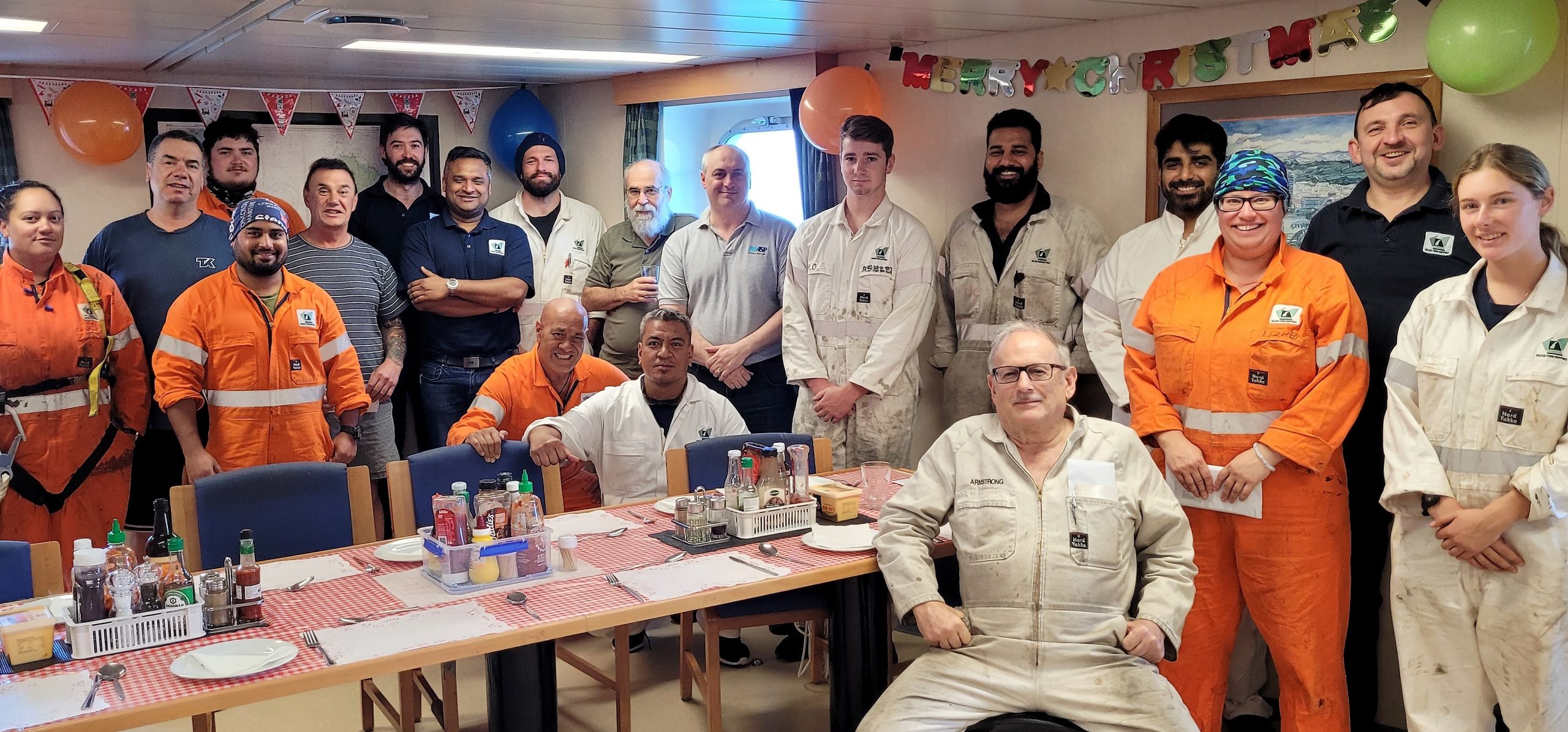
Two New Zealand flagged and New Zealand crewed coastal tankers operate on the New Zealand coast, the MT Kokako and the MT Matuku.
The vessels are managed by New Zealand operator Silver Fern Shipping Limited and owned by international operator ASP Ship Management Group, which charters them to COLL.
The closure of the Marsden Point refinery will see a move to direct international refined fuel imports to New Zealand ports, according to petrol companies.
Apart from the Marsden Point–Auckland pipeline, the majority of domestic fuel is currently shipped from Marsden Point by the two New Zealand-flagged tankers to regional ports for distribution.
Maritime Union National Secretary Craig Harrison says New Zealand coastal tankers ensure a reliable regular service with a very strong safety record.
Mr Harrison says the tankers provide a backup option for emergency fuel deliveries, such as occurred during the 2017 Auckland pipeline failure.
Merchant Service Guild Vice President Iain MacLeod says a disruption of fuel supplies to regional New Zealand through global crisis or natural disaster would have dangerous consequences.
He says the main lesson of the current disruption of global supply chains in the post-COVID era is New Zealand cannot rely on overseas shipping operators.
Mr Harrison says a small diversion of funds from fuel levies on highly profitable petrol companies could provide a guarantee of two New Zealand-flagged coastal tankers remaining on the coast for a trial period of two years in the current unpredictable global environment.
“We are asking the Government to take a serious second look at this situation, rather than regretting things when it is too late.”
Both unions view the current strategy as high risk and driven by corporate self-interest, while the implications of major shifts to New Zealand’s fuel supply chain have not been fully explored.