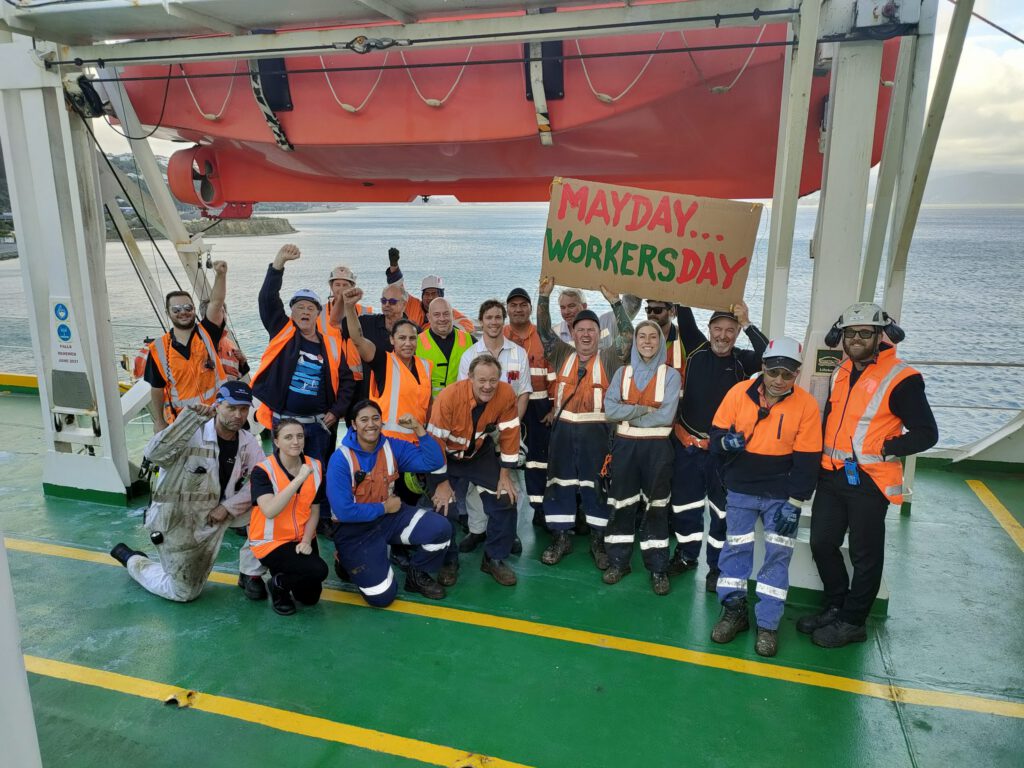
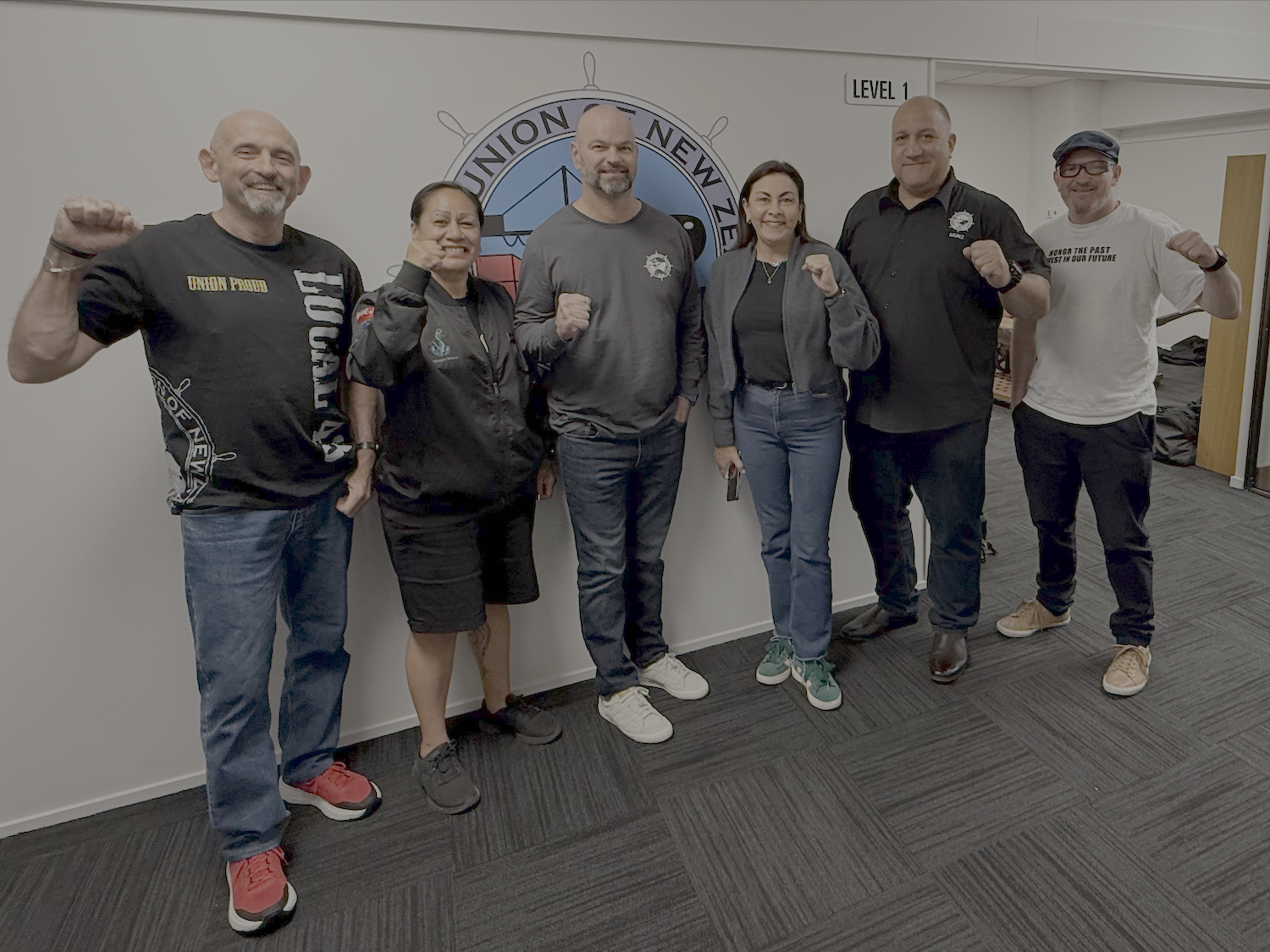
The Maritime Union of Australia (MUA) and the Maritime Union of New Zealand (MUNZ) have formally ratified a Trans-Tasman Federation that unites maritime workers across Australia and New Zealand in a single, coordinated industrial and political force.
The ratification by the MUNZ National Council follows resolutions passed at the MUA Quadrennial National Conference. It marks a qualitatively new and higher level of international cooperation, building on generations of shared struggle and on the most recent Memorandum of Agreement endorsed at the highest levels of both unions.
MUNZ National Secretary Carl Findlay said the challenges faced by a docker in Tauranga closely resemble those faced in Port Botany.
“This federation creates the framework for coordinated campaigning, shared resources and joint action.”
MUA National Secretary Paddy Crumlin says the Federation aligns both unions organisationally with international models such as the ILWU, ILA and the Seafarers International Union.
“This will put us in the strongest possible position to tackle multinationals head on in both countries,” Crumlin added.
MUA Deputy National Secretary, Warren Smith, who has led the agreement-making process for the Australian contingent, said the new unity sends a clear signal to employers.
“Any struggle or attack on either union will be met with the full, united force of maritime workers across both countries. Maritime workers will stand together whenever jobs, conditions or rights are threatened,” Smith says.
The agreement provides for joint participation in each union’s structures, including national councils and conferences, and establishes an international executive.
The arrangement preserves the existing rules of each union while adding shared capacity, deeper cooperation and coordinated industry engagement.
Federation Priorities and Commitments
The Federation will deliver coordinated campaigns, bargaining support and mutual solidarity across ports and maritime workplaces. Shared resources will bolster the ability of both unions to confront cross-border threats like automation, outsourcing and attempts to undermine crewing standards.
Members engaged in industrial disputes will have access to rapid legal, financial and organising support, regardless of which side of the Tasman they work on.
A major priority is a vigorous campaign for cabotage and for trans-Tasman seagoing trade routes to be crewed by Australian and New Zealand seafarers.
The Federation will also advance joint work on First Nations struggles, trade union education, renewable industries and increased diversity across the maritime sector so that the workforce reflects the gender and cultural makeup of the broader community.
DP World and Holcim Under Scrutiny
The formation of the Federation comes as workers in both countries face escalating challenges from multinational operators.
In Australia, DP World continues to push an automation agenda that has been shown to be less safe, reduce productivity and restrict throughput.
In New Zealand, DP World has attempted to expand its footprint through privatised entry into stevedoring markets.
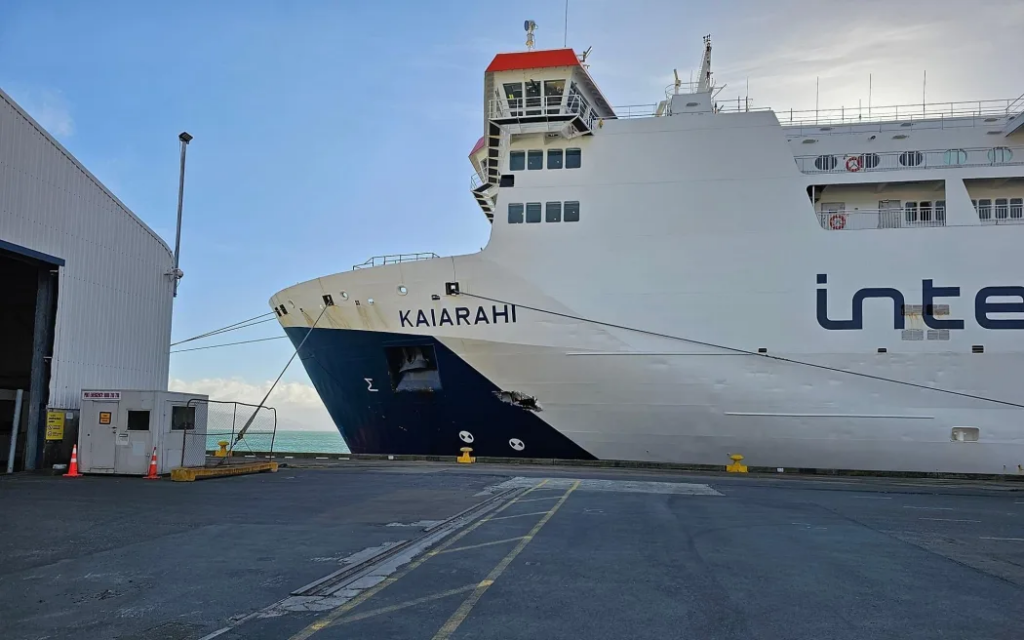
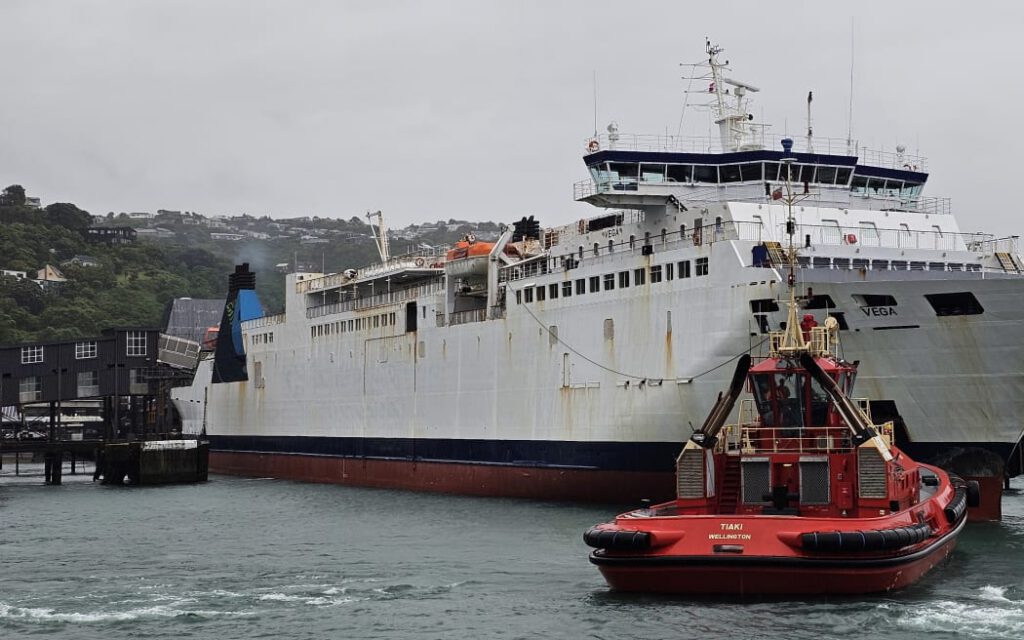
At the same time, Holcim – operating with DP World’s subsidiary NovaAlgoma Cement Carriers (NACC) – is attempting to replace local seafarers with foreign-flagged crews, undermining jobs, safety standards and long-held crewing arrangements.
These coordinated attacks on maritime workers underscore the importance of the Federation. By uniting their organisational strength, the MUA and MUNZ will ensure that multinational corporations cannot play one national workforce off against the other.
The Federation will support resistance to any attempt to outsource jobs, impose unsafe automation, or erode the rights and conditions of maritime workers.
A United Defence of Maritime Communities
“Recent clashes with stevedores and shipping companies have demonstrated that maritime workers must increasingly defend pay, job security and safe working conditions. The Trans-Tasman Federation consolidates the industrial power and social solidarity of maritime communities on both sides of the Tasman so that these fights can be taken on in a coordinated and effective manner,” says Warren Smith.
“This federation is a defence of maritime communities,” he says. “Attempts to cut labour costs, impose automation without agreement or replace local crews will be met with coordinated resistance across both countries.”
Mr Findlay says the unions will always seek constructive engagement with employers, but unity will remain their greatest strength.
“Where employers are unreasonable or unprincipled, we will stand up and fight, together, for the best possible outcomes for maritime workers.”