The Maritime Union of New Zealand today welcomed the decision by Associate Transport Minister James Meager to decline NovaAlgoma Cement Carriers’ (NACC) application to operate a foreign-flagged vessel carrying Holcim cement on the New Zealand coast.
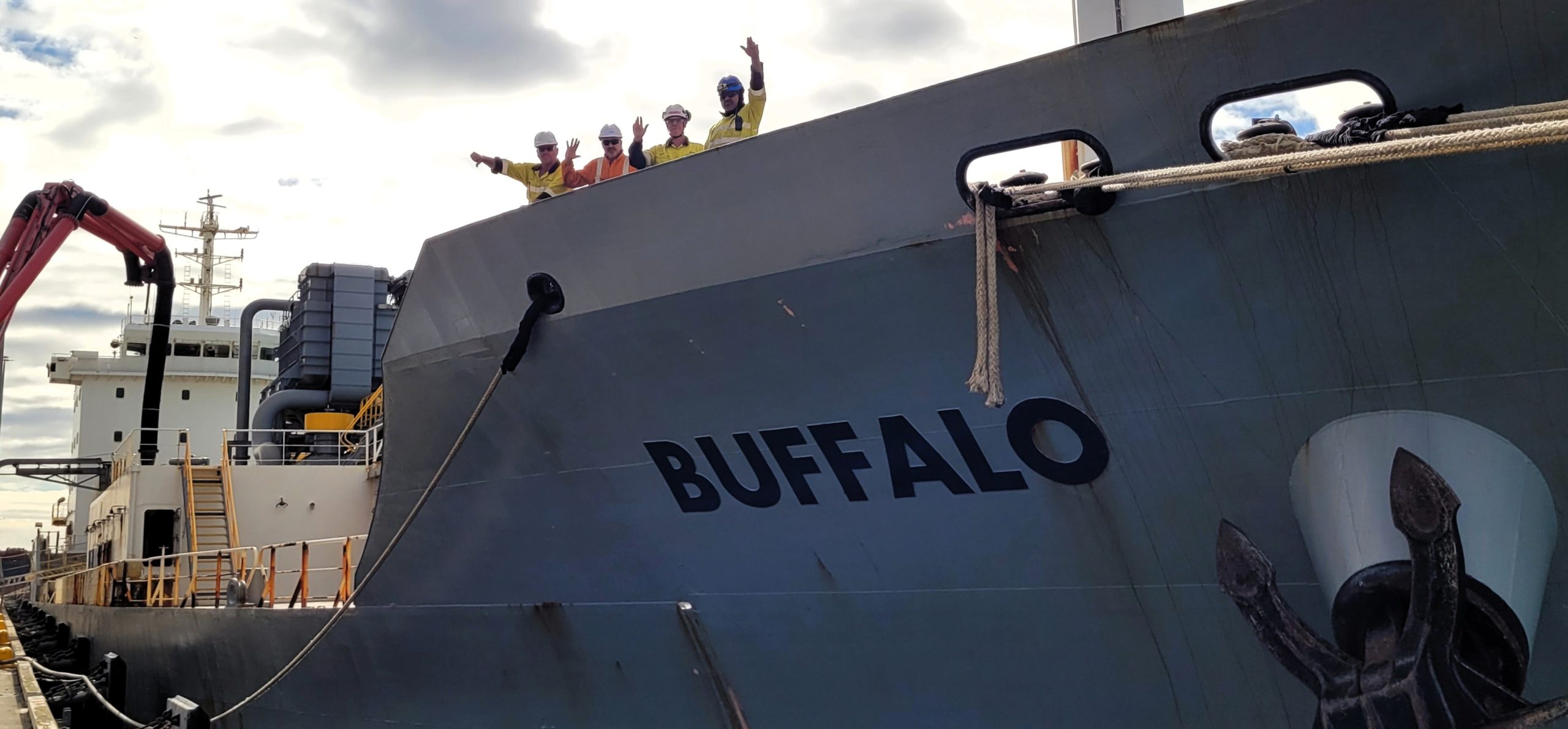
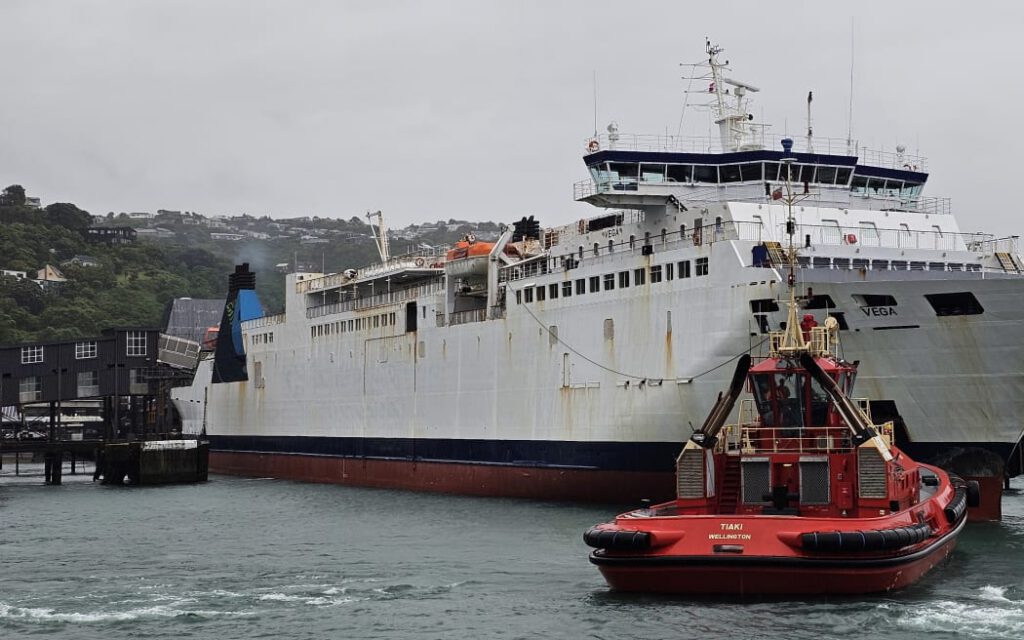
The failed application for an exemption under Section 198 of the Maritime Transport Act sought permission for the Panamanian-flagged and overseas-crewed NACC Vega to replace the New Zealand-flagged and crewed MV Buffalo.
Maritime Union of New Zealand National Secretary Carl Findlay says the Minister has made the right decision.
He says the decision confirms New Zealand law cannot be ignored and side-stepped by multinational corporations seeking to destroy local jobs through Flag of Convenience shipping.
“This is a win for local jobs and New Zealand shipping.”
Mr Findlay says the situation was a clear test on protecting Kiwi jobs, and this decision sends a strong message to Holcim about its obligations to New Zealand.
In November, Holcim gave a month’s notice of redundancy to 32 skilled New Zealand seafarers crewing the MV Buffalo.
Mr Findlay says Holcim must now accept their plan to replace experienced New Zealand crews with foreign labour has failed.
“MUNZ calls on Holcim to commit to supporting New Zealand shipping and retaining local jobs. The highly skilled crew of the MV Buffalo is ready, willing, and able to continue serving New Zealand’s coastal distribution network.”
He says Holcim’s previous threat to use road transport for their cement if they didn’t get their way was a nonsense and a bluff.
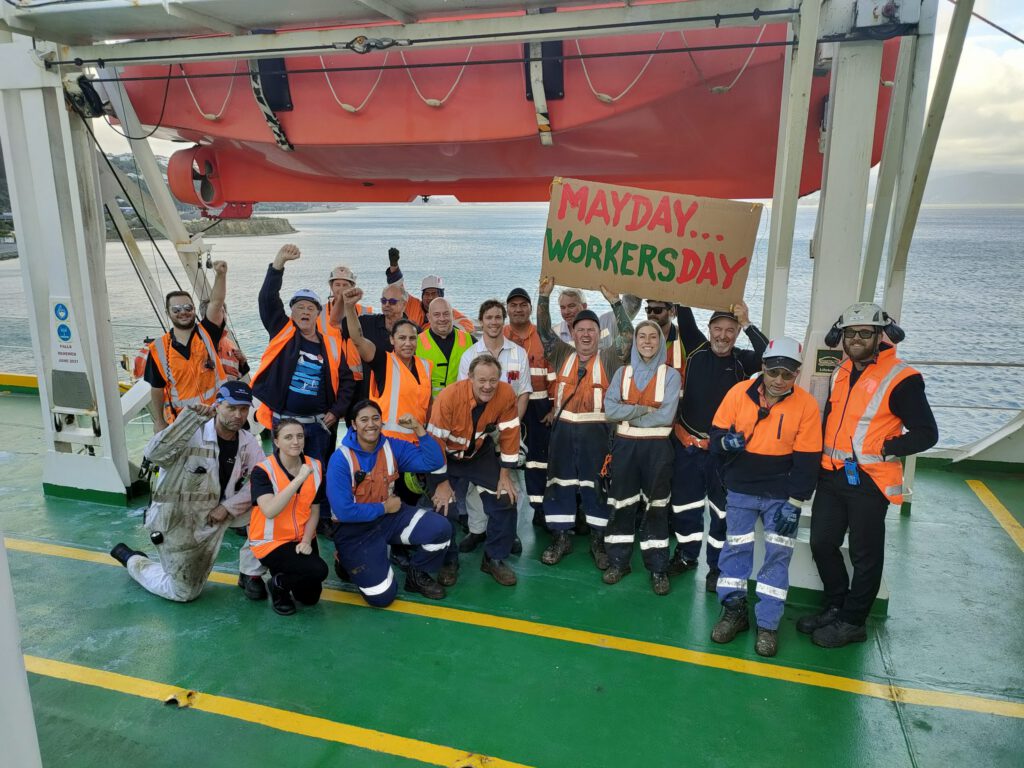
The Maritime Union congratulates the crew of the MV Buffalo for standing strong throughout this protracted dispute.
Mr Findlay says the entire episode has highlighted the vulnerability of New Zealand’s maritime trade.
He says the Maritime Union is campaigning on a plan to rebuild New Zealand’s domestic coastal shipping.
“New Zealand requires a robust and permanent policy framework to rebuild a dedicated New Zealand domestic coastal shipping fleet, crewed by New Zealanders, ensuring security and resilience in our supply chains.”
This capability proved critical during national crises such as the Christchurch and Kaik?ura earthquakes and Cyclone Gabrielle, he says.
Mr Findlay says the Maritime Union looked forward to an ongoing discussion about the future of the maritime industry with Associate Minister Meager in the New Year.
Background information on Flags of Convenience
Flag of Convenience (FOC) shipping is a regulatory loophole where shipowners register vessels in foreign nations (such as Panama or the Cook Islands) rather than their home country, primarily to maximize profit at the expense of safety and workers’ rights.
This practice allows owners to sever the “genuine link” between a ship and its actual ownership, enabling them to bypass national labour laws, tax obligations, and safety standards.
Shipping companies can effectively operate “floating sweatshops,” exploiting vulnerable crews with poverty wages and minimal legal protections, which creates a race to the bottom that undercuts responsible operators.
For New Zealand, the encroachment of FOC shipping is a direct threat to our economic sovereignty, biosecurity, and local jobs.
Multinational companies use FOC vessels to displace New Zealand-flagged and crewed ships on domestic coastal routes, destroying local jobs and eroding our maritime capability.
Relying on FOC shipping compromises supply chain resilience and environmental safety, as fatigued crews on substandard vessels significantly increase the risk of maritime accidents.
Domestic coastal freight should be protected by strong laws, ensuring it is carried by New Zealanders on safe, regulated vessels rather than outsourced to the lowest global bidder.

One Response
It’s going to be moved by truck instead?
https://www.stuff.co.nz/politics/360912355/cement-giant-warns-500-extra-trucks-month-after-foreign-run-coastal-shipping-plan-rejected