
Spanish ports are battening down the hatches, bracing for massive union strikes against a right-wing government determined to impose casualisation at any cost.
Thousands of dock workers face the sack, to be replaced by low-paid casuals as temping agencies are allowed for the first time onto the waterfront.
“The Spanish government is tearing up the rule book with a callous disregard for Spanish jobs, Spanish prestige and international conventions,” says International Transport Workers Federation leader Paddy Crumlin.
“Their plans go beyond belief.”
According to the International Dockworkers Council, “their plan is to fire Spanish dockworkers at a rate of 25% of their full strength each year, which means an absolute extinction of their employment within three years.”
Some of Spain’s port employers are already licking their chops, telling PortStrategy.com that under the “free market” system of their dreams they can slash pay in half.
Other employers are less pleased, asking angrily why a full-frontal attack on labour laws is announced just weeks after successful negotiations established a new agreement for the years to come.
Barcelona port worker and IDC Coordinator Jordi Aragunde says “The Spanish government… seeks to make the dockworker profession disappear from national ports.”
“We feel cheated,” says Antolín Goya, leader of the Coordinadora port worker’s union.
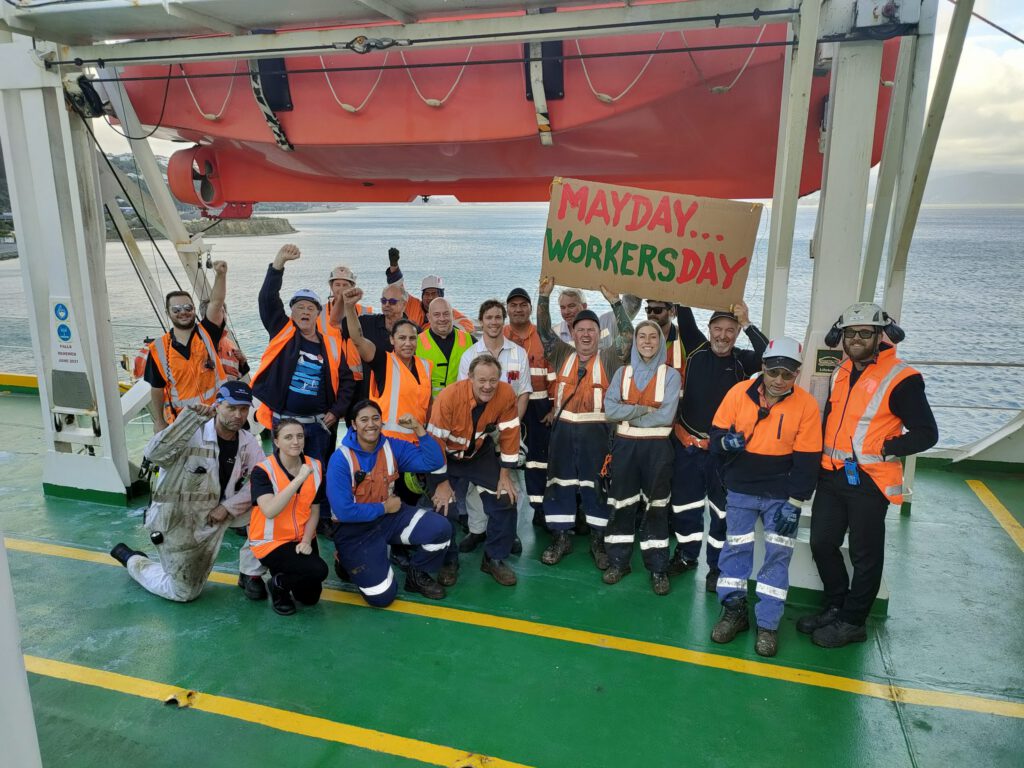
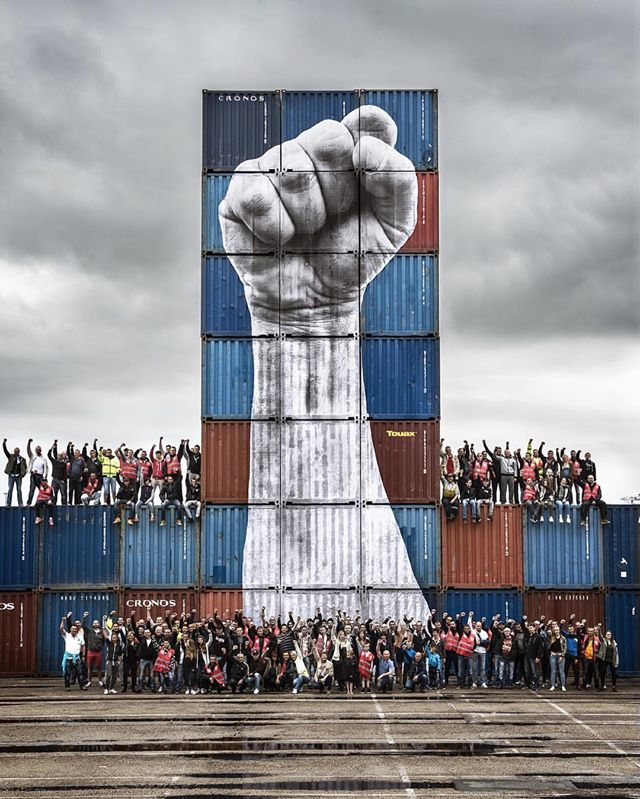
Across Spain, mass meetings of dock workers have voted loudly and angrily to resist this attack.
Strike action will hit all of Spain’s ports on the 20th, 22nd and 24th of February.
“Hopefully there is still time for the government to walk away from this rash proposal and instead engage in negotiations,” says ITF maritime operations coordinator Jacqueline Smith.
“On behalf of ITF unions worldwide we counsel it to do so.”
What’s at stake?
Under the current system, Spanish ports require employers to give preference when hiring to dockers who are part of a local register of qualified workers, known as a SAGEP.
The SAGEP is funded by contributions from companies providing cargo handling services, who are required to be involved if they wish to use Spanish ports.
Unions work within the SAGEPs to ensure their members have secure jobs and pay commensurate with both their skills and the sacrifices they make working in a dangerous industry.
The proposed changes will replace this system with one in which temping agencies and global corporations compete to lower wages and claw back conditions.
Spanish ports are doing exceptionally well under the current system, with the port of Valencia handling a record 4.72 million twenty-foot-equivalent units last year.
The port of Barcelona increased its container traffic in the same year by 14.5% to 2.2 million TEUs.
Why now?
Spain is a member of the European Union, which has the power to force policies on member states that override their sovereignty and go against the wishes of their people.
In December 2014, the European Court of Justice declared the Spanish port employment system is against EU law.
The EU imposed a 15.6 million euro fine in July 2016. Years of governmental gridlock in Madrid had put a showdown with maritime unions low on the agenda.
Since then there have been additional daily fines of 134,000 euros.
By Alastair Reith