
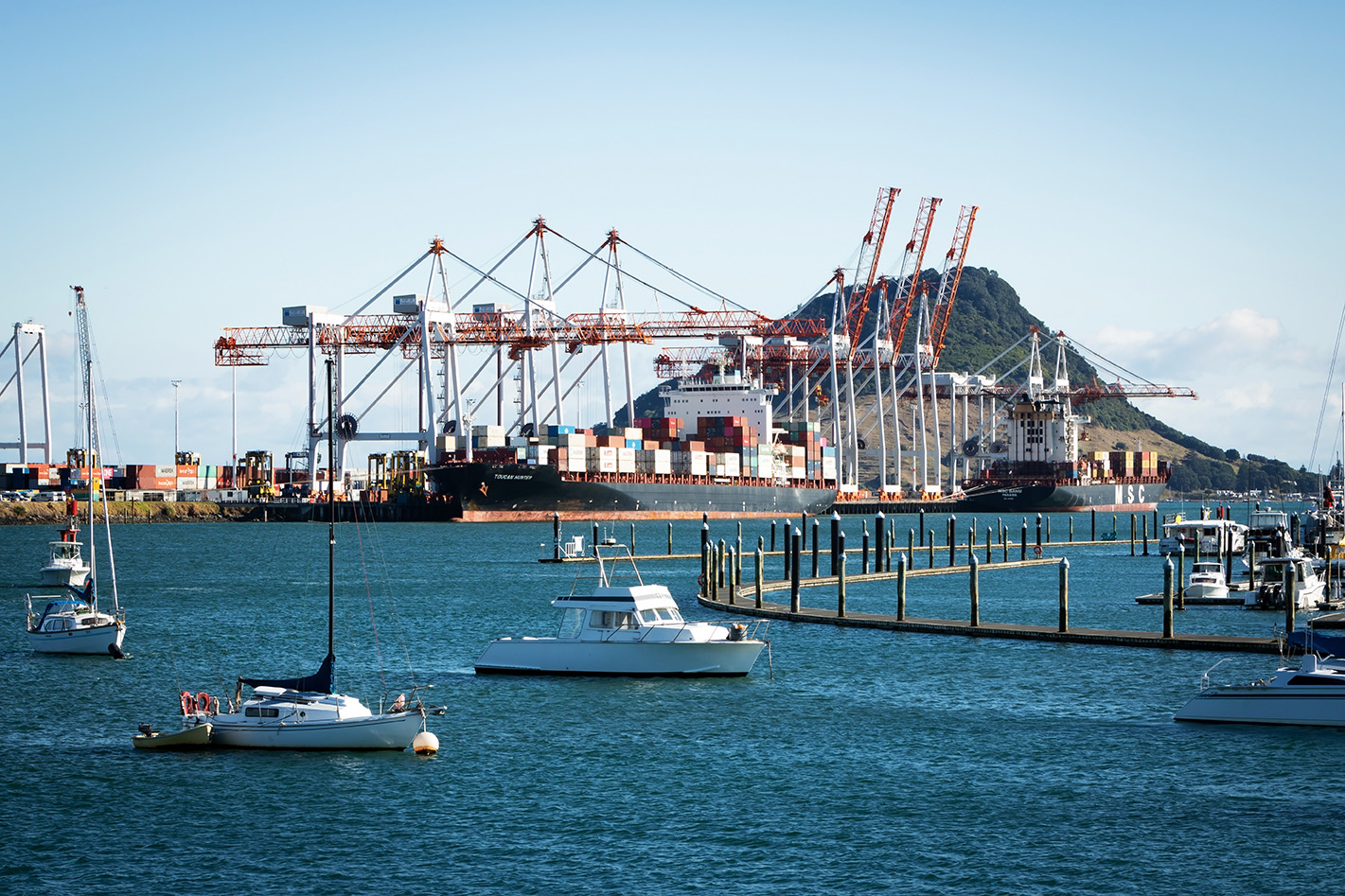
A new court decision means employers will be required to compensate workers for their “availability” for shifts.
Maritime Union member George Lye took a case against his employer, Tauranga based stevedore ISO, over the availability clause he was offered in an employment agreement.
On 3 November, Judge Smith in the Employment Court ruled the availability clause ISO had offered was not compliant with the Employment Relations Act (2000).
The Judge agreed with the view of the plaintiff and the Maritime Union that, under the law, employees need to be paid for their “availability.”
Maritime Union of New Zealand National Secretary Craig Harrison says the complex points of law have a simple outcome for workers.
He says employees have been required to park their life up and make themselves available for work at all times, with changing shipping schedules meaning workers are often left waiting for a shift that is sometimes altered or cancelled.
“This leaves workers without any ability to plan their lives and participate in family or community events outside of work, because their time is not their own.”
The ruling means employers must specify some hours of work when employees will be working, and if employees are required to be available for work at other times, compensation must be paid to the employee for their availability.
Mr Harrison says the compensation amount for availability must reflect the amount of flexibility being required, but this will make a substantial difference to take home pay when the amount of flexibility being requested in the industry is taken into account.
Mr Harrison says employers will need to start providing more regular guaranteed shift patterns, otherwise they will have to pay large amounts of compensation for any flexibility.
He says workers will benefit either way from an improved income or more secure hours.
“This ruling will make a major difference to employees at some Tauranga stevedoring companies and has national implications.”

One Response
Well done MUNZ.