Sign up to the New Zealand right to strike campaign at http://union.org.nz/our-right-to-strike
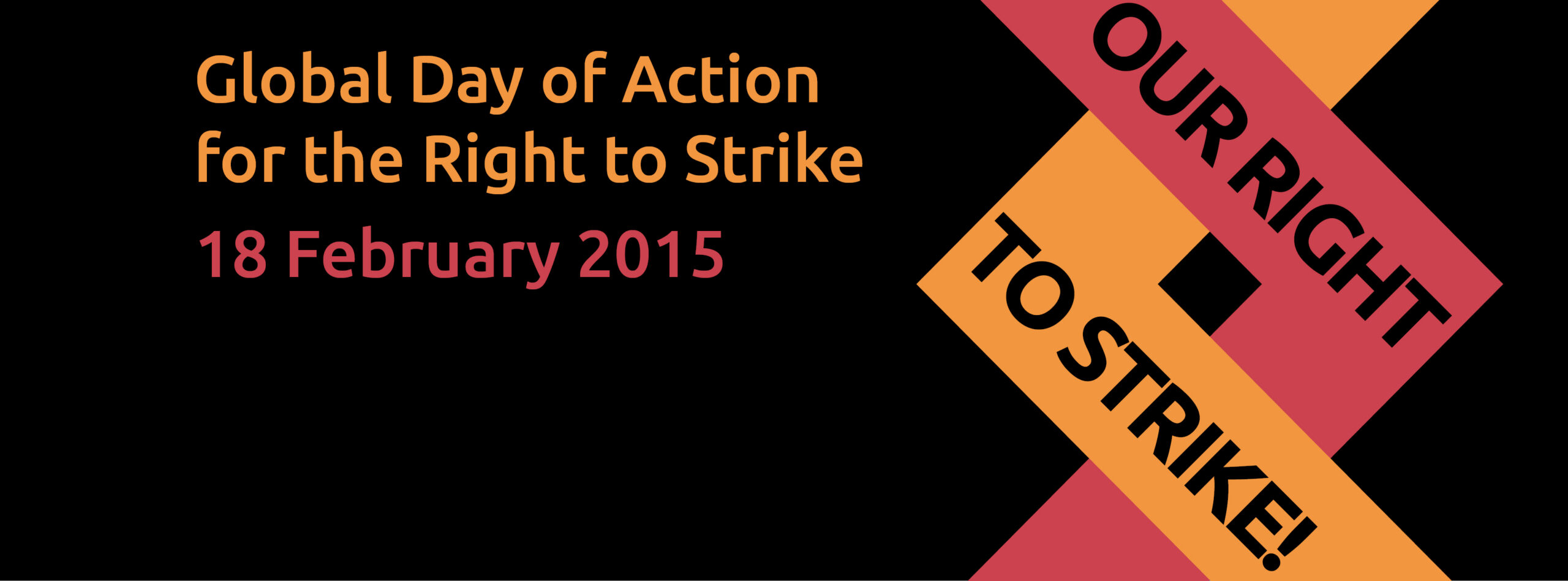
While inequality is rising, employers’ groups around the world are trying to undermine the right to strike at national and international level.
These attacks come at a time when employers and governments implement austerity measures, the growth of precarious jobs is rampant and social protests are criminalized, with the intent to silence workers and their demands for decent jobs and social protection.
Without the right to strike, collective bargaining is nothing more than begging.
Since June 2012, employers have been challenging the existence of an international right to strike and the authority of the ILO and its supervisory mechanism. The increasing use of ILO jurisprudence at national and regional level, as well as in codes of conduct on business and human rights, shows the relevance and importance of ILO standards and the need for an effective ILO supervisory mechanism. This crisis is also intended to prevent national and regional courts from deriving a right to strike from international law.
ITF president Paddy Crumlin comments: “The right to strike, to withdraw one’s labour in protection of economic and industrial access and respect in the workplace, is essential to decent and sustainable lives of all workers. It is one of our most basic labour rights, underpinned by fundamental civil and human rights. The working women and men that rely on this freedom will fight with determination and persistence against the denial of this access to equity and justice through their trade unions and with the wider support of genuinely democratic and supportive political, community, economic and socially progressive organisations and individuals.
Rosa Pavanelli, PSI General Secretary, says: “Undemocratic regimes attack trade unions and all forms of protest action, while the right to strike is excessively regulated in many industrialized countries through the expansion of essential services, whereas growing numbers of public sector workers are denied the right to strike. Free trade agreements and ad-hoc private tribunals (investor-state dispute settlement or ISDS) that prioritize the interests of multinational companies over the public good and democracy, aim to replace an international system based on human rights and international labour standards. Labour clauses that refer to ILO standards are no guarantee for the respect of workers’ rights if the ILO’s authority continues to be undermined. That is why this is a priority issue for all workers.”
In March 2015, the ILO Governing Body has to take a decision on the resolution of this conflict that has had a chilling effect on the ILO supervisory mechanism since 2012. If no agreement can be reached, workers demand a referral to the International Court of Justice for an advisory opinion on the matter, as foreseen in the ILO Constitution. Many governments support the demand of the labour movement to respect the ILO Constitution and to bring the case before the ICJ. But some are procrastinating. These governments and all groups of employers have to held accountable for their disrespect of international law and the crucial role of the ILO.
ITUC General Secretary Sharan Burrow says: “Throughout history, when employers and governments have refused dialogue and negotiation and instead imposed their will, workers have still taken the step and faced the risks of withdrawing their labour. That will not change. Workers will continue to take strike action when they have to – but the employer agenda would make them criminals. Taking away the right to strike would turn us all into slaves. We will not allow that to happen.”