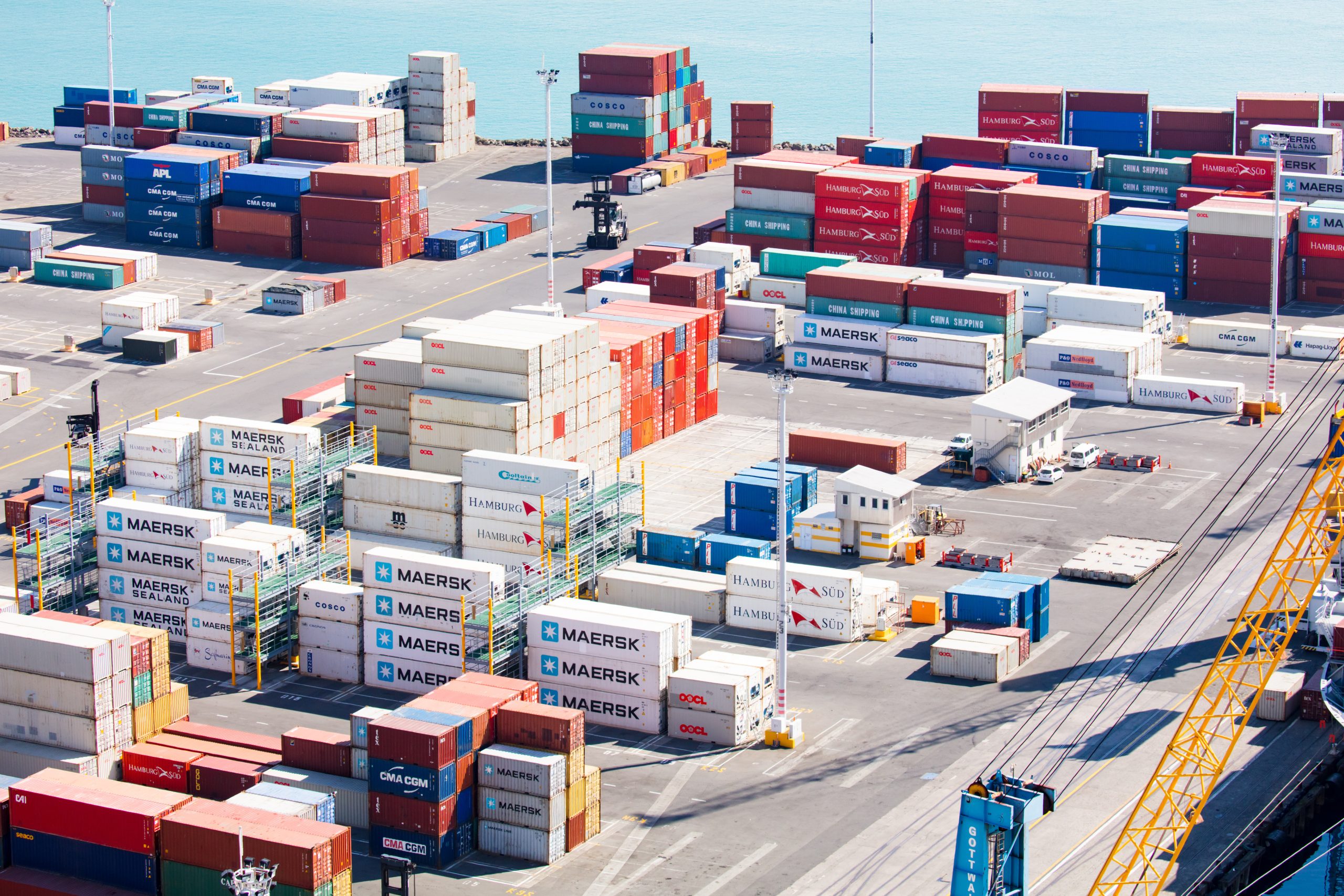
The Maritime Union of New Zealand says the introduction of self-driving trucks at Port of Napier is a risky move, citing the disastrous consequences of the Ports of Auckland (POAL) automation project as a cautionary tale for the industry.
MUNZ National Secretary Carl Findlay says the move by Napier Port to introduce a fleet of autonomous battery-electric trucks in 2026 is a threat to jobs, safety, and productivity across the sector. The project is estimated to cost between $20 million and $25 million and result in redundancies among heavy plant operators.
Mr Findlay says while the immediate workers facing displacement at Napier Port are not MUNZ members, this development threatens all port workers and all workers across New Zealand.
“Port of Napier operates under a mixed ownership model. As a company majority-owned by the Hawke’s Bay Regional Council, Napier Port has a social responsibility to the local people and the community.”
Mr Findlay says Ports of Auckland’s failed attempt at automation stands as a costly lesson for New Zealand port operators.
“The abandonment of the automated straddle carrier programme at POAL in June 2022 was an inevitable result of the hubris and irresponsibility of the previous management under then CEO Tony Gibson,” says Mr Findlay.
This failure resulted in a direct write-off of $65 million in software and systems, but the figure understates the true economic damage. A comprehensive report estimated the total cost to the port and the wider New Zealand economy at a staggering $1.2 billion.
The failure at Ports of Auckland demonstrated that automation is not a guaranteed route to efficiency, leading instead to severe congestion, plummeting productivity, and major safety risks, says Mr Findlay.
“Management at POAL failed to listen to the warnings from MUNZ and the International Transport Workers’ Federation (ITF), which were later vindicated by the failure. We urge Napier Port not to make the same mistake.”
Automation is promoted as inevitable, yet MUNZ is questioning why the job displacement falls squarely on workers on the frontline.
“We ask where the AI axe will fall next. Will port managers and CEOs be automated out of a job if AI can demonstrably do a better job of planning, strategy, and risk assessment? Or will we just see more and more managers and less and less workers?”
Mr Findlay says MUNZ is engaged with the global fight to ensure technology serves workers, not replaces them, standing firm with our international brothers and sisters in the maritime industry.
“MUNZ is attending the ‘People Over Profit: Anti-Automation Conference’ being hosted by the International Dockers Council (IDC) in Lisbon, Portugal in November 2025. This summit aims to collectively strategise, share experiences, and strengthen the united front against job-replacing automation.”